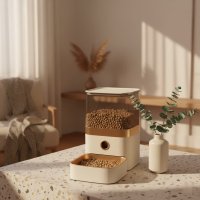
As a seasoned veteran in the pet care industry, with over 15 years immersed in the world of pet feeders, I’ve seen countless innovations designed to make our furry friends’ lives better. One particular product that frequently sparks debate and curiosity among pet parents is the raised pet feeder. At MJ’s Food Club, we’re dedicated to sifting through the noise to bring you clear, expert insights. So, let’s dive deep into understanding these elevated meal stations and whether a raised pet feeder is the right choice for your beloved companion.

What Exactly is a Raised Pet Feeder?
Simply put, a raised pet feeder, also known as an elevated feeder or a raised dog bowl stand, is a station that lifts your pet’s food and water bowls off the ground. These come in various designs, from simple stands with fixed bowls to adjustable models that can grow with your pet. The core idea is to provide food and water at a more comfortable height, ostensibly improving posture and digestion. While traditionally associated with dogs, raised feeders are also available and beneficial for cats. For more reviews guides on this site.
The Tail-Wagging Benefits: Why Consider a Raised Pet Feeder?
Many pet parents swear by the positive impact of a raised pet feeder on their companions. Here are some of the most commonly cited advantages:
Improved Posture and Joint Comfort
For many pets, especially older dogs, those with arthritis, or breeds prone to neck and back issues, bending down to eat from a floor-level bowl can be uncomfortable, even painful. A raised pet feeder allows your pet to eat with a more neutral spine position, reducing strain on their neck, shoulders, and joints. Imagine trying to eat your dinner while hunched over – it’s not ideal, and it’s no different for our pets. This ergonomic benefit can significantly improve mealtime comfort for senior pets or those with mobility challenges.
Enhanced Digestion for Specific Conditions
While general claims about improved digestion for all pets are debated, raised pet feeders can be incredibly beneficial for pets with specific medical conditions. For instance, pets diagnosed with megaesophagus, a condition where the esophagus is enlarged and struggles to move food to the stomach, often require eating in an upright or elevated position. This utilizes gravity to help food descend properly, minimizing regurgitation and the risk of aspiration pneumonia. Furthermore, for pets with conditions like laryngeal paralysis, an elevated bowl may help minimize the risk of food or water entering the lungs.
Cleaner Eating Environment
|
Our Picks for the Best Pet Feeder in 2026
As an Amazon Associate I earn from qualifying purchases.
|
||
| Num | Product | Action |
|---|---|---|
| 1 | PETLIBRO Automatic Cat Feeder, 5G WiFi Automatic Dog Food Dispenser with Freshness Preservation, 5L Timed Pet Feeder with Low Food Sensor, Up to 10 Meals Per Day, Granary Black |

|
| 2 | PETLIBRO Automatic Cat Feeder – 3L Programmable Pet Food Dispenser with Airtight Storage, Timed Portion Control, Voice Meal Call & Dual Power Supply, Clog-Free Healthy Feeding for Cats & Small Dogs |
|
| 3 | IMIPAW Automatic Cat Feeders, 3L Timed Cat Dry Food Dispenser with Desiccant Bags, Dual Power Supply, Programmable Portion Size, 6 Meals, 20 Portions Per Day, Auto Pet Feeder for Cats and Small Dogs |
|
| 4 | Automatic Cat Feeder, 4L Cat Food Dispenser with 10s Voice Recorder, Pet Feeder up to 8 Meals per Day, Timed Dog Feeder with Dry Food Sealed Ring (White, 4L-Basic) |
|
| 5 | Sure Petcare -SureFlap - SureFeed - Microchip Pet Feeder - Selective-Automatic Pet Feeder Makes Meal Times Stress-Free, Suitable for Both Wet and Dry Food - MPF001 |
|
| 6 | PETLIBRO Automatic Cat Feeder with Camera, 1080P HD Video with Night Vision, 5G WiFi Pet Feeder with 2-Way Audio, Low Food & Blockage Sensor, Motion & Sound Alerts for Cat & Dog Single Tray |
|
| 7 | VOLUAS Automatic Cat Feeders - Timed Pet Feeder for Cats and Dogs with Dry Food Dispenser, Desiccant Bag, Programmable Portion Control, 4 Daily Meals, 10s Voice Recorder |
|
| 8 | oneisall Automatic Cat Feeder for 2 Cats, 20 Cups/5L Automatic Cat Food Dispenser for Small Pets Indoor, Timed Cat Feeder for Dry Food |
|
| 9 | Pet Food Maker, Automatic Home Kitchen Appliance for Preparing Fresh Pet Meals |
|
| 10 | Amazon Basics Automatic Dog Cat Water Dispenser Gravity Feeder Set, Pack of 2, Small, 6-Pound Food Capacity, 1-Gallon, Gray |
|
Let’s be honest, mealtime can get messy! Raised feeders help contain food and water spills, keeping the feeding area tidier. This means less bending for you to clean up, and less chance of dirt, dust, or pet hair contaminating your pet’s meal. A cleaner environment can also contribute to better overall hygiene, reducing the potential for bacterial growth around the bowls if they are cleaned regularly.
Addressing the “Bone” of Contention: Risks and Concerns
Despite the clear benefits for certain conditions, the use of a raised pet feeder isn’t without its controversies and potential downsides. It’s crucial to be an informed pet owner.
The Bloat Dilemma (Gastric Dilatation-Volvulus – GDV)
This is perhaps the most significant concern associated with raised feeders, particularly for large and giant, deep-chested dog breeds (such as Great Danes, German Shepherds, or Weimaraners). Gastric Dilatation-Volvulus (GDV), commonly known as bloat, is a life-threatening condition where a dog’s stomach fills with gas and can twist, cutting off circulation.
Historically, some believed elevated feeders prevented bloat. However, modern veterinary research, including a prominent study from Purdue University, has suggested that feeding from an elevated surface may actually increase the risk of GDV in susceptible breeds. The prevailing theory is that eating from a raised bowl can encourage faster eating and increased air swallowing (aerophagia), which are precursors to bloat.
It’s a complex issue with conflicting viewpoints, and the decision should always be made in consultation with your veterinarian, especially if you have a large or giant breed dog with a predisposition to bloat.
Not for Every Pet
While beneficial for some, a raised pet feeder isn’t universally suitable. For smaller breeds or cats without joint issues, the benefits might be negligible. Some pets might even find elevated bowls awkward or uncomfortable if they aren’t used to them, potentially leading to behavioral issues or reluctance to eat. Monitoring your pet’s reaction is key.
Cost and Maintenance
Raised pet feeders can be more expensive than traditional floor-level bowls. While they come in a vast array of styles and materials, finding one that fits your budget and home aesthetic can be a challenge. Furthermore, some designs, especially those with multiple parts, can be more complex to clean, which is a critical aspect of pet hygiene.
Beyond the Basics: Special Needs and Therapeutic Use
For some pets, a raised pet feeder isn’t just a convenience; it’s a necessity for their health and well-being.
Megaesophagus: A Critical Application
As mentioned, pets with megaesophagus can greatly benefit from eating in an elevated position. Specialized feeders, sometimes called “Bailey Chairs” for dogs, allow them to sit upright almost vertically while eating, using gravity to move food into the stomach. These feeders are often tilted to further aid the process. If your pet has been diagnosed with megaesophagus, a custom-designed or veterinarian-recommended raised and tilted feeder is a crucial part of their care plan.
Support for Spinal and Orthopedic Issues
Dogs recovering from spinal surgeries, or those with severe orthopedic conditions that limit their range of motion, often find immense relief with raised feeders. Maintaining a neutral spinal alignment during meals can prevent exacerbating existing conditions and support a smoother recovery.
Finding the “Purr-fect” Height: A Practical Guide
Choosing the correct height for your raised pet feeder is paramount to maximizing its benefits and avoiding potential discomfort. It’s not a one-size-fits-all situation.
To determine the ideal height for your pet:
- Measure Your Pet: Have your pet stand naturally. Measure from the floor under their front paws to the top of their shoulders.
- Calculate the Ideal Bowl Height: A common guideline is to subtract approximately 5-6 inches from this measurement. The top of the elevated bowl should generally be level with your pet’s lower chest, allowing them to eat without significant neck bending downwards or stretching upwards. Your pet should be able to reach their food and water with a slight downward angle to their head and neck.
- When in Doubt, Go Lower: If you’re between sizes or unsure, it’s generally safer to err on the side of a slightly lower feeder rather than one that is too high. A feeder that’s too tall can create as much strain as one that’s too low and may contribute to faster eating.
- Consider Adjustable Feeders: For puppies still growing, or if you have multiple pets of different sizes, an adjustable height raised pet feeder is an excellent investment. This allows you to customize the height as needed, ensuring optimal comfort for each pet.
General Height Guidelines (Approximate):
- Small Breeds (Chihuahuas, Pugs, Maltese): 2-6 inches
- Medium Breeds (Beagles, Bulldogs, Corgis): 7-10 inches
- Large Breeds (Labradors, German Shepherds): 11-16 inches
- Extra-Large Breeds (Great Danes, Mastiffs, St. Bernards): 18-24 inches
Remember, these are guidelines. Observe your pet’s eating posture carefully to ensure comfort.
Material Matters: What to Look For
The material and design of your raised pet feeder are important for durability, hygiene, and safety.
- Stainless Steel Bowls: Hands down, stainless steel is our top recommendation for pet bowls. It’s non-porous, highly durable, easy to clean, and resistant to bacteria buildup.
- Stands: Stands can be made from wood, metal, or durable plastics. Look for sturdy, stable designs that won’t tip over easily. Non-slip feet are a huge plus!
- Avoid Plastic Bowls: While convenient, plastic bowls can scratch easily, creating microscopic crevices where bacteria can thrive. They can also cause “chin acne” in some pets.
“Choosing the right material for your raised pet feeder isn’t just about aesthetics; it’s about your pet’s health,” says Michael Jenson, founder of MJ’s Food Club. “Stainless steel bowls are the gold standard for hygiene, ensuring your pet’s meal is always served in the cleanest possible vessel.”
Maintenance Made Easy: Keeping Your Feeder Pristine
Regardless of the type or material, proper cleaning and maintenance of your raised pet feeder are non-negotiable.
- Daily Cleaning: Wash food bowls after every meal, and water bowls daily, with warm, soapy water.
- Regular Stand Cleaning: Wipe down the feeder stand regularly to remove any food debris, dust, or spills.
- Deep Cleaning: Periodically (e.g., weekly), give the entire feeder a thorough deep clean, especially if it has multiple components.
Frequently Asked Questions About Raised Pet Feeders
Are raised pet feeders good for all dogs?
No, raised pet feeders are not suitable for all dogs. While beneficial for senior dogs, those with arthritis, or specific medical conditions like megaesophagus, they may not offer significant advantages for young, healthy dogs. For large and giant breeds, there’s a debated link to an increased risk of bloat (GDV), so veterinary consultation is essential.
Do raised dog bowls prevent bloat?
Despite earlier beliefs, current veterinary research suggests that raised dog bowls do not prevent bloat (GDV) in large and giant breeds, and some studies even indicate they might increase the risk. The decision to use one for a breed predisposed to bloat should be made with extreme caution and professional veterinary advice.
What is the ideal height for a raised cat feeder?
For cats, the ideal height for a raised feeder is usually lower than for dogs. It should allow them to eat comfortably without stooping too much or straining their neck upwards. Generally, 2-4 inches off the ground is sufficient for most adult cats, but individual comfort should be observed. Tilted bowls can also be beneficial for cats to prevent whisker fatigue.
How often should I clean a raised pet feeder?
You should wash the food bowls after every meal and the water bowls daily. The stand itself should be wiped down regularly, and a more thorough cleaning of all components should be performed at least once a week to prevent bacteria buildup and maintain hygiene.
Can puppies use raised feeders?
While puppies might benefit from the ergonomic posture, it’s generally best to wait until they are closer to their adult size to invest in a raised feeder. Adjustable models are an excellent choice for growing puppies, as they allow you to modify the height as your puppy matures, ensuring consistent comfort.
The Final Scoop: Making an Informed Decision
Choosing whether to use a raised pet feeder for your companion is a decision that requires careful consideration. While they offer undeniable benefits for pets with specific health conditions—improving posture, easing joint pain, and aiding those with megaesophagus—the potential risks, particularly the debated link to bloat in large and giant dog breeds, cannot be overlooked.
At MJ’s Food Club, we always advocate for an informed approach. Observe your pet’s eating habits, understand their individual needs, and, most importantly, have an open conversation with your veterinarian. Together, you can decide if a raised pet feeder will enhance your cherished companion’s mealtime experience safely and effectively, ensuring they enjoy every delicious bite in comfort.
Smart home that does not lock you in
Free PDF — protocol compatibility matrix for 30 hubs and devices.