An outdoor automatic pet feeder provides consistent, portion-controlled meals for pets, even when owners are away, by dispensing dry kibble at programmed times. These feeders enhance pet health through precise portion control, deter wildlife and pests with secure designs, and reduce pet stress by maintaining a predictable feeding routine. They are particularly beneficial for active pets who spend significant time outdoors, ensuring they receive timely nutrition without human intervention.
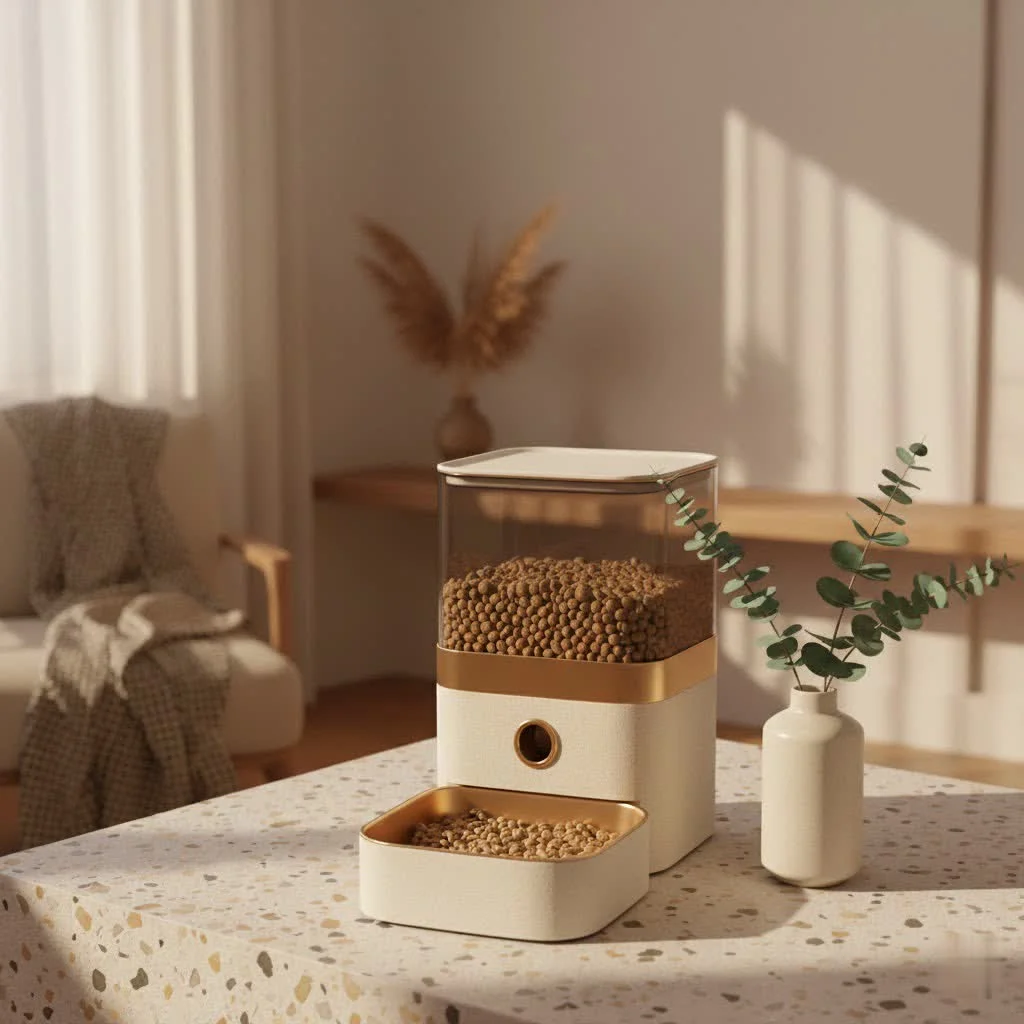 pet feeder dispensing kibble” style=”margin: 20px auto;width: 800px;max-width: 100%;height: auto” />
Why Consider an Outdoor Automatic Pet Feeder? The Perks of Automated Outdoor Dining
Integrating an outdoor automatic pet feeder into your pet care routine offers a multitude of benefits, extending far beyond simply delivering food. It’s about optimizing your pet’s health, ensuring their safety, and giving you unparalleled peace of mind.
Convenience and Peace of Mind
Life can be hectic, with long workdays or unexpected errands disrupting your pet’s feeding schedule. An outdoor automatic pet feeder solves this by allowing you to program exact meal times and portion sizes, ensuring your pet is fed reliably and on schedule. This consistency saves time and worry for owners while reducing stress for pets, as they thrive on routine.
Portion Control for Health
Overfeeding is a common issue leading to pet obesity and related health problems like diabetes or joint issues. An outdoor automatic pet feeder is a powerful tool for managing your pet’s diet precisely. You can set specific portion sizes for each meal, ensuring your pet receives the exact amount of food they need, which is beneficial for weight management or pets with specific dietary requirements.
Deterring Unwanted Guests (Wildlife and Pests)
Leaving food bowls outside manually can attract local wildlife such as raccoons, opossums, birds, and insects. An outdoor automatic pet feeder dispenses food only at programmed times, preventing food from sitting out. Many models feature secure, airtight containers and locking lids, keeping food fresh and safe from critters, meaning more food for your pet and fewer pests in your yard.
Maintaining Routine, Reducing Stress
Pets thrive on routine, and knowing when and where their next meal is coming from helps alleviate anxiety. An automatic feeder ensures a predictable feeding schedule, which is particularly calming for pets prone to stress or separation anxiety. This consistent routine reinforces a sense of security and well-being for your outdoor companion.
Navigating the Landscape: Types and Features of Outdoor Automatic Pet Feeders
The market for outdoor automatic pet feeders has expanded considerably, offering a diverse range of options. Understanding the different types and features available will help you select the perfect fit for your pet and lifestyle.
Basic Timed vs. Smart Wi-Fi Feeders
|
Our Picks for the Best Pet Feeder in 2026
As an Amazon Associate I earn from qualifying purchases.
|
||
| Num | Product | Action |
|---|---|---|
| 1 | PETLIBRO Automatic Cat Feeder, 5G WiFi Automatic Dog Food Dispenser with Freshness Preservation, 5L Timed Pet Feeder with Low Food Sensor, Up to 10 Meals Per Day, Granary Black |

|
| 2 | Automatic Cat Feeder, 4L Cat Food Dispenser with 10s Voice Recorder, Pet Feeder up to 8 Meals per Day, Timed Dog Feeder with Dry Food Sealed Ring (White, 4L-Basic) |
|
| 3 | PETLIBRO Automatic Cat Feeder with Camera, 1080P HD Video with Night Vision, 5G WiFi Pet Feeder with 2-Way Audio, Low Food & Blockage Sensor, Motion & Sound Alerts for Cat & Dog Single Tray |
|
| 4 | oneisall Automatic Cat Feeder for 2 Cats, 20 Cups/5L Automatic Cat Food Dispenser for Small Pets Indoor, Timed Cat Feeder for Dry Food |
|
| 5 | PETLIBRO Automatic Cat Feeder – 3L Programmable Pet Food Dispenser with Airtight Storage, Timed Portion Control, Voice Meal Call & Dual Power Supply, Clog-Free Healthy Feeding for Cats & Small Dogs |
|
| 6 | Pet Food Maker, Automatic Home Kitchen Appliance for Preparing Fresh Pet Meals |
|
| 7 | VOLUAS Automatic Cat Feeders - Timed Pet Feeder for Cats and Dogs with Dry Food Dispenser, Desiccant Bag, Programmable Portion Control, 4 Daily Meals, 10s Voice Recorder |
|
| 8 | Amazon Basics Automatic Dog Cat Water Dispenser Gravity Feeder Set, Pack of 2, Small, 6-Pound Food Capacity, 1-Gallon, Gray |
|
| 9 | IMIPAW Automatic Cat Feeders, 3L Timed Cat Dry Food Dispenser with Desiccant Bags, Dual Power Supply, Programmable Portion Size, 6 Meals, 20 Portions Per Day, Auto Pet Feeder for Cats and Small Dogs |
|
| 10 | Sure Petcare -SureFlap - SureFeed - Microchip Pet Feeder - Selective-Automatic Pet Feeder Makes Meal Times Stress-Free, Suitable for Both Wet and Dry Food - MPF001 |
|
Every automatic feeder dispenses food at a set time. Basic timed feeders use simple programmable clocks and physical buttons for straightforward scheduling. Smart Wi-Fi feeders, however, connect to your home Wi-Fi and are controlled via a smartphone app, allowing remote scheduling, monitoring, and dispensing from anywhere. Many also offer features like low food alerts and feeding history logs, providing insights into your pet’s eating habits.
Essential Features for Outdoor Durability
Since these feeders live outdoors, durability is paramount. Look for models constructed from robust, weather-resistant materials like UV-resistant plastics or stainless steel that can withstand rain, sun, and varying temperatures. A secure, tip-proof design is crucial to prevent pets or wildlife from knocking it over, and strong latches or locking mechanisms on the lid keep food secure and fresh.
Powering Up: Battery-Operated vs. Wired with Backup
Power source is a critical consideration. Battery-operated feeders offer flexible placement but require battery life monitoring. Many high-quality feeders offer a dual power supply, using an AC adapter for primary power and battery backup for uninterrupted feeding during power outages. This combination ensures your pet never misses a meal.
Advanced Features: Voice Recording, Cameras, and Microchip Readers
Some advanced outdoor automatic pet feeder models include voice recorders to play a message at mealtime, making pets feel more comfortable. Integrated cameras allow you to watch your pet eat from your smartphone. For multi-pet households, microchip-enabled feeders are invaluable, opening only for a pet whose microchip or collar tag is registered, preventing food theft and ensuring each pet gets their designated meal.
Choosing the Right Outdoor Automatic Pet Feeder for Your Furry Friend
Selecting the ideal outdoor automatic pet feeder requires a thoughtful approach. Here’s how to make an informed decision that meets your pet’s unique needs and withstands the elements.
Matching Feeder to Pet Size and Needs
Consider your pet’s size and strength; a feeder for a small cat might be easily toppled by a large dog. The dispenser mechanism should accommodate their kibble size to prevent jams. For multiple pets, especially those with different dietary requirements, a feeder with microchip technology or multiple feeding stations might be essential.
Durability and Weather Resistance: Non-Negotiables for Outdoor Use
An outdoor feeder must be waterproof or highly water-resistant to protect food from rain and moisture, which can lead to mold and spoilage. Durable, food-grade plastic or treated stainless steel resists rust and corrosion. The feeder should also be stable and weighted to prevent tipping by wind, animals, or playful pets. Clara Jenkins, a veteran pet technology engineer, advises checking the IP (Ingress Protection) rating; an IP44 or higher ensures good protection against splashes and dust.
Capacity Considerations: How Much Food Do You Need?
Feeder capacity dictates refill frequency. For frequent travelers or multiple pets, a large-capacity hopper (several liters or pounds) is beneficial. For smaller pets or strict diets, a smaller capacity might suffice. Balance capacity with ensuring food freshness, especially in humid outdoor conditions; some feeders include desiccant compartments for this purpose.
Ease of Cleaning and Maintenance Access
Look for models with easily removable, dishwasher-safe components like the food hopper and bowl. Smooth surfaces and minimal crevices simplify routine cleaning, preventing bacteria buildup and ensuring a hygienic eating environment for your pet.
Setting Up and Maintaining Your Outdoor Automatic Pet Feeder: A Pro’s Guide
Once you’ve chosen your outdoor automatic pet feeder, proper setup and consistent maintenance are key to its longevity and your pet’s consistent feeding. Think of it like any other appliance; a little care goes a long way.
Initial Setup: Getting Started Right
Assemble the feeder according to manufacturer instructions. Set the internal clock and program the feeding schedule and portion sizes. For Wi-Fi models, ensure a strong network connection. Place the feeder on a stable, level surface away from direct sunlight or heavy rain to maximize its lifespan and keep food fresh. If battery-operated, insert fresh, high-quality alkaline batteries.
Regular Cleaning: Keeping It Hygienic
Maintaining hygiene is non-negotiable to prevent pests, mold, and bacteria. A weekly mini-clean involves wiping down the feeding tray daily or every other day, emptying crumbs, and wiping exterior surfaces. A monthly deep clean requires disassembling all removable parts, washing them with warm, mild dish soap, rinsing thoroughly, and allowing them to air dry completely before reassembly. Replace desiccant packs during deep cleans and use compressed air for motor housing areas.
Power Management and Kibble Compatibility
For battery-powered units, check battery levels every 2-3 months and replace them proactively. For dual-power feeders, ensure the primary AC power is secure and the battery backup is functional. Always use dry kibble that matches the feeder’s specifications regarding size and shape, as irregular or oversized kibble is a leading cause of jams. Wet food will invariably clog the mechanism and spoil quickly, unless the feeder is specifically designed for it.
Troubleshooting Common Outdoor Automatic Pet Feeder Issues
Even the most reliable outdoor automatic pet feeder can sometimes run into snags. Knowing how to quickly troubleshoot common problems can prevent missed meals and frustration.
When Food Jams: Clearing the Way for Meals
Food jams are common. If the feeder isn’t dispensing, check the mechanism for stuck kibble or debris and remove blockages carefully. Ensure you use kibble of the correct size and shape. Avoid overfilling the hopper, as this can create too much pressure. Regular cleaning of the food pathway reduces jam frequency.
Powering Through: Battery and Connectivity Hiccups
If the feeder is unresponsive, check the power source. Replace batteries in battery-operated models or ensure the AC adapter is secure and the outlet works for plugged-in units. For smart Wi-Fi feeders, a weak signal is often the cause of connectivity issues; move the feeder closer to the router or use an extender. Rebooting the feeder can resolve temporary glitches, and checking for app updates is also recommended.
Schedule Slip-Ups: Fixing Timer and Programming Errors
If your pet is fed at the wrong time or not at all, a programming error might be the issue. Reset the feeder’s timer and carefully reprogram the schedule, double-checking each entry. Power outages or battery changes can reset the internal clock, so verify time settings after such events. For smart feeders, ensure the app and feeder are synchronized, and your phone’s time zone settings are correct.
Pet-Proofing: Preventing Break-ins and Tipping
Clever pets can sometimes access food outside scheduled times. If your pet is breaking into or tipping over the feeder, reassess the model’s security. Opt for sturdy, weighted designs with strong, locking lids. For determined pets, a microchip-enabled feeder can be a robust solution, ensuring only the intended pet can access the food.
Expert Insights: What the Pros Say
Dr. Evelyn Reed, a leading veterinarian specializing in pet behavior, states, “In my fifteen years working with pet feeding technology, the most common mistake I see pet owners make with outdoor automatic feeders is neglecting regular maintenance. These devices offer incredible convenience, but they’re not ‘set it and forget it’ systems. Consistent cleaning, checking battery life, and monitoring for any operational quirks are crucial to ensuring they function reliably and hygienically. Your pet’s health depends on it.”
Frequently Asked Questions About Outdoor Automatic Pet Feeders
Q1: Can outdoor automatic pet feeders be used for wet food?
Generally, no, most outdoor automatic pet feeders are designed exclusively for dry kibble. Wet food spoils quickly outdoors, clogs mechanisms, and fosters bacteria. Specialized indoor feeders might handle wet food with ice packs, but they are unsuitable for outdoor conditions.
Q2: How do I protect my outdoor feeder from pests and wildlife?
Choose a feeder with a secure, locking lid and a sturdy, tip-proof design with airtight seals to contain scents. Placing the feeder on a raised platform can deter ground-level pests. Regularly cleaning up spilled kibble around the feeder is also essential.
Q3: How often should I clean my outdoor automatic pet feeder?
For optimal hygiene, perform a mini-clean (wiping surfaces, emptying crumbs) weekly. A full deep clean, involving disassembly and washing of removable parts, should be done at least once a month to prevent bacterial growth and ensure smooth operation.
Q4: What if there’s a power outage?
Many high-quality outdoor automatic pet feeders feature a dual power supply, operating on AC power with a battery backup. This ensures your pet continues to receive meals even during power outages. Always ensure backup batteries are fresh and functional.
Q5: Are Wi-Fi feeders reliable outdoors?
Wi-Fi feeders can be very reliable outdoors if they have a strong, stable connection to your home network. Ensure the feeder is within range of your Wi-Fi router or use a Wi-Fi extender for better signal strength. Keep the feeder’s firmware and associated app updated to prevent connectivity issues.
Embrace the Freedom of Automated Outdoor Feeding
An outdoor automatic pet feeder is an investment in your pet’s well-being and your peace of mind. By providing consistent, portion-controlled meals, protecting against pests, and offering remarkable convenience, these devices empower you to ensure your outdoor companions are well-fed and happy, regardless of your schedule. Choosing the right model, setting it up correctly, and committing to regular maintenance are the keys to unlocking the full potential of this amazing technology. Here at MJ’s Food Club, we believe in smart solutions for happy pets, and an outdoor automatic pet feeder is certainly one of them. Happy feeding!
Frequently Asked Questions
Can outdoor automatic pet feeders be used for wet food?
No, most outdoor automatic pet feeders are designed exclusively for dry kibble. Wet food spoils quickly in outdoor temperatures, clogs the dispensing mechanism, and creates a breeding ground for bacteria. Specialized indoor feeders might handle wet food with ice packs, but they are unsuitable for outdoor conditions.
How do I protect my outdoor feeder from pests and wildlife?
Choose a feeder with a secure, locking lid and a sturdy, tip-proof design with airtight seals to contain scents. Placing the feeder on a raised platform can deter ground-level pests. Regularly cleaning up any spilled kibble around the feeder is also essential to prevent attracting unwanted animals.
How often should I clean my outdoor automatic pet feeder?
For optimal hygiene, perform a mini-clean (wiping surfaces, emptying crumbs) weekly. A full deep clean, involving disassembly and washing of removable parts, should be done at least once a month. This prevents bacterial growth and keeps the feeder running smoothly and hygienically.
What if there's a power outage with an outdoor automatic pet feeder?
Many high-quality outdoor automatic pet feeders feature a dual power supply, operating on AC power with a battery backup. This ensures your pet continues to receive meals even during power outages. Always ensure backup batteries are fresh and functional to guarantee uninterrupted service.
Are Wi-Fi feeders reliable for outdoor use?
Wi-Fi feeders can be very reliable outdoors if they have a strong, stable connection to your home network. Ensure the feeder is within range of your Wi-Fi router or use a Wi-Fi extender for better signal strength. Keeping the feeder's firmware and associated app updated also helps prevent connectivity issues.
Setting Up and Maintaining Your Outdoor Automatic Pet Feeder
Proper setup and consistent maintenance are crucial for the longevity and reliable operation of your outdoor automatic pet feeder, ensuring your pet receives consistent meals.
Assemble the feeder according to the manufacturer's instructions. Accurately set the internal clock and program your desired feeding schedule and portion sizes. For Wi-Fi models, ensure a strong connection to your home network and place the feeder on a stable, level surface away from direct sunlight or heavy rain.
Perform a weekly mini-clean by wiping down the feeding tray daily or every other day, emptying crumbs, and wiping exterior surfaces. At least once a month, conduct a thorough deep clean: disassemble all removable parts, wash with mild dish soap, rinse, and air dry completely before reassembly. Replace desiccant packs during deep cleans.
For battery-powered units, check battery levels every 2-3 months and replace them proactively. If you have a dual-power feeder, regularly ensure the primary AC power is secure and the battery backup is functional. This ensures uninterrupted feeding, especially during power outages.
Always use dry kibble that matches the feeder's specifications regarding size and shape. Irregular or oversized kibble is a leading cause of jams. Avoid wet food unless the feeder is specifically designed for it, as it will clog the mechanism and spoil quickly outdoors.
Smart home that does not lock you in
Free PDF — protocol compatibility matrix for 30 hubs and devices.

I got one of these for my two outdoor cats. It does a good job dispensing the dry kibble at the programmed times, which is helpful for their routine. However, I wish the food reservoir was a bit larger; I find myself refilling it more often than I’d like, especially with two pets using it. It’s still better than leaving a bowl out all day, though.
We have a big yard and our cat loves being outside, but we worried about raccoons getting into her food. The secure design of our new feeder has really helped with that. It keeps pests out and her kibble fresh. My only minor complaint is that the battery indicator isn’t super clear, but it’s a small issue for the peace of mind it gives us.
This feeder has been a lifesaver for my golden retriever! He used to get so stressed if his feeding schedule was off, but now with the predictable routine, he’s much calmer. It’s amazing how much difference consistent, portion-controlled meals make for his overall well-being. Highly recommend for anyone with an outdoor pet.
I was so tired of rushing home to feed my dog, especially on days I had to work late. This outdoor automatic pet feeder has been a game-changer! It’s super easy to program, and I love knowing my active lab gets his meals right on time, even when I’m not there. The portion control is great too, helping him maintain a healthy weight.