Life with pets is a beautiful whirlwind of joy, cuddles, and, let’s be honest, scheduled feeding times. As devoted pet parents, we all strive to provide the best for our furry companions, and a huge part of that is ensuring they receive consistent, perfectly portioned meals. That’s where the automatic pet feeder comes into play, transforming daily routines and offering unparalleled convenience. No longer just a gadget for when you’re away, these smart devices are becoming an indispensable tool for maintaining your pet’s health, happiness, and your peace of mind.
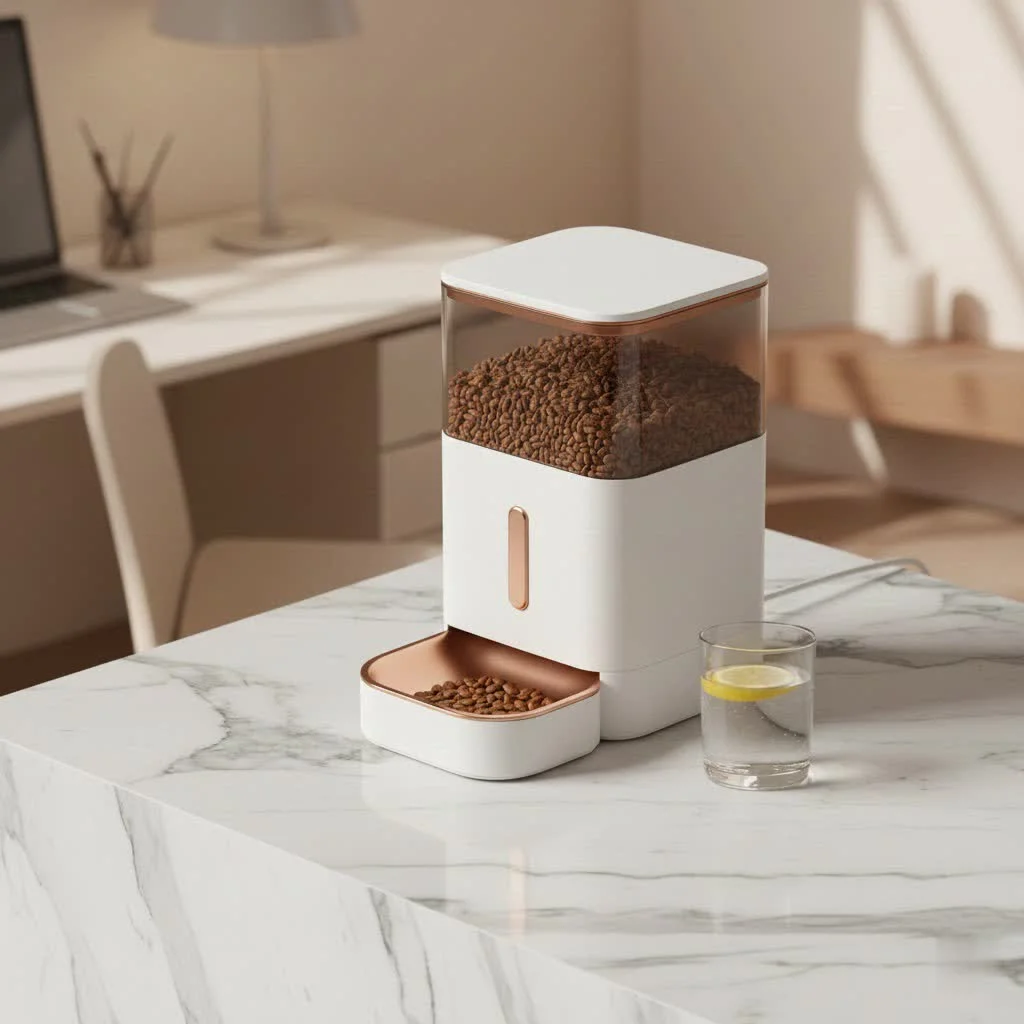
Why Embrace an Automatic Pet Feeder? The Unbeatable Perks
Thinking about adding an automatic pet feeder to your home? You’re in for a treat! These devices offer a plethora of advantages that can significantly improve both your life and your pet’s well-being.
Convenience at Your Fingertips
Let’s face it, our lives are busy. Work, errands, and social commitments often pull us away, sometimes making those precise mealtime deliveries a challenge. An automatic pet feeder steps in as your reliable assistant, dispensing food exactly when needed, whether you’re stuck in traffic, enjoying a weekend getaway, or simply want to catch an extra hour of sleep. It’s about making your daily life smoother and less stressful.
Precision Portion Control for Healthier Pets
One of the biggest struggles for many pet owners is managing their pet’s weight. Overeating can lead to a host of health issues, but guessing portion sizes often leads to inconsistency. Automatic feeders are a game-changer here. Most models allow you to program exact meal sizes, from a mere eighth of a cup to several cups, ensuring your pet gets precisely what they need, every single time. This is invaluable for pets on a strict diet or those prone to gobbling down their food too quickly.
Consistency is Key: Mealtime, Every Time
Pets, much like us, thrive on routine. Consistent meal times can reduce anxiety, improve digestion, and even enhance their overall behavior. An automatic pet feeder delivers meals with unwavering regularity, establishing a predictable schedule that your pet can rely on. This predictability can be especially beneficial for sensitive pets who might get stressed by erratic feeding times.
Peace of Mind, Wherever You Are
Imagine you’re at work, a late meeting pops up, or you decide to extend a day trip. Worrying about your pet’s empty bowl is the last thing you need. With a reliable automatic pet feeder, you can relax, knowing your beloved companion will be fed exactly as planned. Many smart feeders even send notifications to your phone, confirming meal delivery and letting you monitor food levels.
Tailored Feeding for Multi-Pet Homes
|
Our Picks for the Best Pet Feeder in 2026
As an Amazon Associate I earn from qualifying purchases.
|
||
| Num | Product | Action |
|---|---|---|
| 1 | Pet Food Maker, Automatic Home Kitchen Appliance for Preparing Fresh Pet Meals |

|
| 2 | IMIPAW Automatic Cat Feeders, 3L Timed Cat Dry Food Dispenser with Desiccant Bags, Dual Power Supply, Programmable Portion Size, 6 Meals, 20 Portions Per Day, Auto Pet Feeder for Cats and Small Dogs |
|
| 3 | Amazon Basics Automatic Dog Cat Water Dispenser Gravity Feeder Set, Pack of 2, Small, 6-Pound Food Capacity, 1-Gallon, Gray |
|
| 4 | PETLIBRO Automatic Cat Feeder – 3L Programmable Pet Food Dispenser with Airtight Storage, Timed Portion Control, Voice Meal Call & Dual Power Supply, Clog-Free Healthy Feeding for Cats & Small Dogs |
|
| 5 | Sure Petcare -SureFlap - SureFeed - Microchip Pet Feeder - Selective-Automatic Pet Feeder Makes Meal Times Stress-Free, Suitable for Both Wet and Dry Food - MPF001 |
|
| 6 | VOLUAS Automatic Cat Feeders - Timed Pet Feeder for Cats and Dogs with Dry Food Dispenser, Desiccant Bag, Programmable Portion Control, 4 Daily Meals, 10s Voice Recorder |
|
| 7 | PETLIBRO Automatic Cat Feeder, 5G WiFi Automatic Dog Food Dispenser with Freshness Preservation, 5L Timed Pet Feeder with Low Food Sensor, Up to 10 Meals Per Day, Granary Black |
|
| 8 | Automatic Cat Feeder, 4L Cat Food Dispenser with 10s Voice Recorder, Pet Feeder up to 8 Meals per Day, Timed Dog Feeder with Dry Food Sealed Ring (White, 4L-Basic) |
|
| 9 | oneisall Automatic Cat Feeder for 2 Cats, 20 Cups/5L Automatic Cat Food Dispenser for Small Pets Indoor, Timed Cat Feeder for Dry Food |
|
| 10 | PETLIBRO Automatic Cat Feeder with Camera, 1080P HD Video with Night Vision, 5G WiFi Pet Feeder with 2-Way Audio, Low Food & Blockage Sensor, Motion & Sound Alerts for Cat & Dog Single Tray |
|
If you have multiple pets, especially those with different dietary needs or one who tends to be a “food hog,” feeding time can be chaotic. Microchip-enabled automatic pet feeders are a fantastic solution. These clever devices only open for a pet whose microchip or RFID tag they recognize, preventing food theft and ensuring each pet consumes their designated meal, particularly crucial for pets on prescription diets or those with food sensitivities.
Navigating the World of Automatic Pet Feeders: Types and Features
The market is brimming with diverse automatic pet feeder options, each designed to cater to different needs and lifestyles. Let’s break down the most popular types and their standout features.
The Classic Timed Feeder: Simple & Reliable
These are the workhorses of the automatic feeder world. Timed feeders allow you to schedule a set number of meals per day and often adjust the portion size. They typically operate with an easy-to-use digital timer and display. Some might have a voice recording feature, letting you call your pet to eat with a familiar message, which can be wonderfully comforting when you’re not home. These are excellent for those looking for basic automation without complex connectivity.
Smart Feeders: Your Pet’s Personal AI Chef
Stepping up the game, smart automatic pet feeders integrate with your home’s Wi-Fi, offering a host of advanced features controllable via a smartphone app.
- Camera & Two-Way Audio: Many smart feeders come equipped with an HD camera, sometimes with night vision, allowing you to check in on your pet during mealtime. Two-way audio takes this a step further, letting you talk to your pet and hear their happy purrs or barks, providing comfort and companionship even when miles away.
- App Control & Remote Feeding: Imagine dispensing an extra snack from your office, or adjusting tomorrow’s meal schedule from your vacation spot. Smart feeders make this a reality. The intuitive apps allow you to schedule, modify, and even manually dispense food instantly, all from your phone.
- Low Food Sensors & Auto-Replenishment: Forget guessing when to buy more kibble. Advanced smart feeders feature sensors that notify you when food levels are low or empty. Some even integrate with services for automatic food reordering, so you never run out!
Dish-Style Feeders: Wet Food Wonders
While most automatic feeders are designed for dry kibble, some innovative dish-style models cater to wet food. These usually feature rotating compartments, often with ice packs, to keep food fresh for a few scheduled meals. They are ideal for pets who primarily eat wet food or need medication mixed into their meals, offering flexibility that traditional gravity or hopper-style feeders can’t.
Microchip Feeders: Solving Multi-Pet Mealtime Mayhem
As mentioned, microchip feeders are a lifesaver for multi-pet households. They scan your pet’s existing microchip (or a tag provided) and only grant access to their designated food bowl. This ensures that a specific pet gets their specialized diet, prevents one pet from overeating, and stops others from stealing food. It’s truly a harmonious solution for complex feeding dynamics.
Choosing the Perfect Automatic Pet Feeder: What to Consider
With so many options, finding the right automatic pet feeder can feel daunting. Here’s what you should ponder to make the best choice for your furry family member and your lifestyle.
Your Pet’s Needs: Size, Diet, and Personality
Consider your pet’s size – a small cat won’t need the same capacity as a large dog. What type of food do they eat? If it’s mostly dry kibble, most feeders will work. For wet food, you’ll need a specific dish-style model. Also, think about your pet’s personality. Is your cat easily startled by sudden noises? A quieter feeder might be better. Does your dog try to “break into” things? You’ll need a robust, tamper-proof design.
Capacity and Food Type: Dry, Wet, or Both?
Feeder capacities vary widely, from a few cups to several liters, translating to anywhere from a few days to weeks of food supply. Choose a capacity that fits your typical time away and how often you’re willing to refill. Remember, most feeders excel with dry kibble (5-15mm size recommended). If wet food is a primary part of the diet, look for specialized wet food feeders with cooling capabilities.
Power Source: Always On, Even When the Lights Go Out
Most automatic feeders run on AC power, but many also offer battery backup (often D-cell batteries). This dual power option is crucial for ensuring your pet is fed even during power outages. Don’t underestimate the importance of a reliable power source, especially if you live in an area prone to blackouts.
Ease of Use & Cleaning: Because Life’s Already Busy
An automatic pet feeder should simplify your life, not complicate it. Look for models with intuitive programming interfaces, whether it’s a simple LCD screen or a user-friendly app. Easy cleaning is also paramount for your pet’s health. Many feeders feature removable, dishwasher-safe components, making regular maintenance a breeze. As our expert, Mark Jensen, Pet Tech Innovator at MJ’s Food Club, always says, “A clean feeder isn’t just about hygiene; it’s about ensuring every meal is a fresh, inviting experience for your pet.”
Smart Features: Are They Worth the Investment for You?
While smart features like cameras, two-way audio, and remote feeding are fantastic, they might not be necessary for everyone. If you’re often home or have a straightforward feeding routine, a basic timed feeder might suffice. However, if you travel frequently, have a pet with specific needs, or simply love staying connected, the advanced capabilities of a smart feeder are definitely worth considering.
Setting Up Your Automatic Pet Feeder: A Step-by-Step Guide
Getting your automatic pet feeder up and running is typically straightforward, though steps can vary by model. Here’s a general guide to get you started:
Unboxing and Powering Up
First things first, carefully unbox your new feeder and remove all packaging materials. Locate the power adapter and, if applicable, the battery compartment. Install fresh batteries (usually D-cell) for backup power and then plug in the AC adapter. Most feeders will power on automatically or have a simple on/off switch.
Setting the Clock and Calendar
The heart of any automatic feeder is its internal clock. Most models require you to set the current time and sometimes the date. This is crucial for accurate meal scheduling. Follow your specific feeder’s instructions, which often involve holding a “Set” button and using arrow keys to adjust hours and minutes.
Programming Meal Times and Portions
This is where the magic happens! Your feeder will allow you to set multiple feeding times throughout the day (e.g., 2-6 meals) and define the portion size for each meal. This is usually done through the onboard buttons and LCD screen or via the companion app for smart feeders. Take your time to get this right, referring to your pet’s dietary needs and your vet’s recommendations.
Recording a Personalized Meal Call (Optional but Fun!)
Many feeders, especially timed and smart ones, offer a voice recording feature. This lets you record a short message (e.g., “Dinner time, Fido!”) that plays before each meal, creating a familiar and comforting call to action for your pet. It’s a wonderful way to maintain that personal touch even when you’re away.
Common Hurdles and How to Troubleshoot Your Feeder
Even the most reliable automatic pet feeder can encounter a glitch. Here are some common issues and how to tackle them:
Food Jams and Clogs
This is perhaps the most frequent issue. Ensure you’re using kibble of the recommended size (typically 5-15mm). Smaller or larger kibble, or oddly shaped pieces, can cause blockages. Regularly clean the dispenser chute to prevent buildup. If a jam occurs, carefully clear the obstruction with a non-sharp tool (like the end of a spoon handle) after unplugging the device.
Power Outages and Battery Issues
If your feeder isn’t dispensing, check the power. Is it plugged in? Is the outlet working? If you have a battery backup, are the batteries fresh? Drained batteries are a common culprit for missed meals. Always keep a fresh set of D-cell batteries on hand, or consider rechargeable options if your feeder supports them.
Connectivity Conundrums (Smart Feeders)
For Wi-Fi-enabled feeders, connectivity issues can be frustrating. Ensure your feeder is within range of your Wi-Fi router and connected to the correct network band (many require 2.4GHz). Try resetting both your router and the feeder. If the problem persists, check the feeder’s app for troubleshooting tips or contact customer support.
Pet-Proofing: When Your Furry Friend Gets Too Smart
Some clever pets might try to access extra food by nudging or batting at the feeder. Ensure your feeder is stable and difficult to tip over. Look for models with secure, pet-proof lids and bases. For the truly determined, elevating the feeder or securing it against a wall might be necessary.
Beyond the Basics: Maintenance Tips for Longevity
To ensure your automatic pet feeder remains a reliable part of your pet care routine for years, regular maintenance is key.
Regular Cleaning: A Must for Health
Just like their regular food bowls, feeder components that come into contact with food need frequent cleaning. Leftover food particles can accumulate, leading to bacteria growth or attracting pests. Most modern feeders have removable, dishwasher-safe parts (like the food hopper and bowl), making this task simple. For the main unit, use a damp cloth to wipe it down – never submerge it in water!
Monitoring Food Levels and Freshness
While low food sensors are helpful, it’s good practice to visually check your feeder’s food reservoir regularly. Also, ensure the food itself remains fresh. Dry kibble can lose its freshness and nutritional value over time, especially if exposed to air. Keep the feeder’s lid securely closed, and consider using a desiccant pack in the hopper (if your model has a dedicated slot) to absorb moisture.
Software Updates and App Maintenance
For smart feeders, regularly check for firmware updates through the companion app. Manufacturers often release updates to improve performance, add features, or fix bugs. Keep your app updated on your smartphone to ensure seamless communication with your feeder.
The Verdict: Is an Automatic Pet Feeder Right for You?
In my 15 years in pet tech and as a content creator for mjsfc.com, I’ve seen firsthand how automatic pet feeders have evolved from simple timers to sophisticated smart devices. They offer unparalleled convenience, promote healthier eating habits through precise portion control, and provide immense peace of mind.
Ultimately, an automatic pet feeder is a valuable investment for almost any pet owner. Whether you’re a busy professional, frequently travel, manage a multi-pet household, or simply want to ensure your pet adheres to a consistent, healthy eating schedule, there’s a feeder out there for you. Do your research, consider your pet’s unique needs, and you’ll find a device that revolutionizes mealtime and strengthens the bond with your beloved companion.
Smart home that does not lock you in
Free PDF — protocol compatibility matrix for 30 hubs and devices.