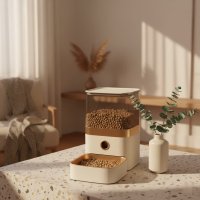
As a pet parent, ensuring your beloved companion receives consistent nourishment is a top priority, even when life pulls you away from home. This is where an outdoor pet feeder steps in as a true game-changer, offering unparalleled convenience and peace of mind. Gone are the days of rushing home for meal times or worrying about your furry friend going hungry. Whether you have an adventurous outdoor cat, a working dog, or simply want to offer supplemental feeding to local strays, selecting the right outdoor pet feeder is paramount to their well-being and your daily routine.

Why an Outdoor Pet Feeder is a Game Changer for Your Furry Friend
The benefits of integrating an outdoor pet feeder into your pet care strategy extend far beyond simple convenience. For starters, it ensures your pet receives meals at consistent intervals, promoting better digestion and overall health. Think of it as a personal chef for your pet, always on time and always delivering the right portion. This consistency is particularly crucial for pets on a specific diet or those prone to overeating.
“An outdoor pet feeder empowers pet parents to maintain a consistent feeding schedule, even with busy lives,” says Marcus Johnson, founder of MJ’s Food Club. “It’s about fostering healthier eating habits and giving owners the freedom that comes with knowing their pets are well-cared for, rain or shine.”
Furthermore, for many pets who spend a significant amount of time outdoors, a reliable feeding solution means less stress and more predictability in their day. It frees you from the rigid demands of manual feeding, allowing for more flexibility in your work, travel, or leisure activities. No more guilt-ridden thoughts about missed meals; your outdoor pet feeder has it covered.
Navigating the Options: Types of Outdoor Pet Feeders
The market offers a diverse range of outdoor pet feeders, each designed with specific functionalities to meet varying needs. Understanding these types is the first step in finding your perfect match.
Gravity Feeders
Gravity feeders are the simplest and most straightforward option. These feeders rely on gravity to dispense food as your pet eats from the bowl. They are typically inexpensive, reliable, and require no power source, making them ideal for locations without electricity.
- Pros: Easy to use, budget-friendly, no batteries or power needed, high capacity often available.
- Cons: No portion control (food is continuously available), susceptible to pests if not designed carefully, food can get stale faster.
Automatic/Timed Feeders
|
Our Picks for the Best Pet Feeder in 2026
As an Amazon Associate I earn from qualifying purchases.
|
||
| Num | Product | Action |
|---|---|---|
| 1 | IMIPAW Automatic Cat Feeders, 3L Timed Cat Dry Food Dispenser with Desiccant Bags, Dual Power Supply, Programmable Portion Size, 6 Meals, 20 Portions Per Day, Auto Pet Feeder for Cats and Small Dogs |

|
| 2 | oneisall Automatic Cat Feeder for 2 Cats, 20 Cups/5L Automatic Cat Food Dispenser for Small Pets Indoor, Timed Cat Feeder for Dry Food |
|
| 3 | Amazon Basics Automatic Dog Cat Water Dispenser Gravity Feeder Set, Pack of 2, Small, 6-Pound Food Capacity, 1-Gallon, Gray |
|
| 4 | VOLUAS Automatic Cat Feeders - Timed Pet Feeder for Cats and Dogs with Dry Food Dispenser, Desiccant Bag, Programmable Portion Control, 4 Daily Meals, 10s Voice Recorder |
|
| 5 | Automatic Cat Feeder, 4L Cat Food Dispenser with 10s Voice Recorder, Pet Feeder up to 8 Meals per Day, Timed Dog Feeder with Dry Food Sealed Ring (White, 4L-Basic) |
|
| 6 | Sure Petcare -SureFlap - SureFeed - Microchip Pet Feeder - Selective-Automatic Pet Feeder Makes Meal Times Stress-Free, Suitable for Both Wet and Dry Food - MPF001 |
|
| 7 | PETLIBRO Automatic Cat Feeder, 5G WiFi Automatic Dog Food Dispenser with Freshness Preservation, 5L Timed Pet Feeder with Low Food Sensor, Up to 10 Meals Per Day, Granary Black |
|
| 8 | PETLIBRO Automatic Cat Feeder with Camera, 1080P HD Video with Night Vision, 5G WiFi Pet Feeder with 2-Way Audio, Low Food & Blockage Sensor, Motion & Sound Alerts for Cat & Dog Single Tray |
|
| 9 | PETLIBRO Automatic Cat Feeder – 3L Programmable Pet Food Dispenser with Airtight Storage, Timed Portion Control, Voice Meal Call & Dual Power Supply, Clog-Free Healthy Feeding for Cats & Small Dogs |
|
| 10 | Pet Food Maker, Automatic Home Kitchen Appliance for Preparing Fresh Pet Meals |
|
Automatic or timed outdoor pet feeders are the most popular choice for regulated feeding. These devices allow you to program specific meal times and portion sizes throughout the day. They often run on batteries, solar power, or sometimes require an AC adapter if placed in a sheltered area with an outlet.
- Pros: Excellent for portion control, consistent feeding schedules, suitable for weight management, many battery-powered options for outdoor flexibility.
- Cons: Requires programming, battery changes (if not solar), can be more expensive than gravity feeders.
Smart/Wi-Fi Feeders
Taking automation to the next level, smart or Wi-Fi outdoor pet feeders offer advanced features controllable via a smartphone app. These high-tech feeders often include built-in cameras for remote monitoring, two-way audio communication, and real-time alerts.
- Pros: Ultimate convenience with remote control, visual monitoring of your pet, detailed feeding logs, advanced customization.
- Cons: Requires a stable Wi-Fi connection, generally the most expensive option, potential connectivity issues in outdoor settings.
Specialty Feeders
Beyond the basic types, you’ll find specialized outdoor pet feeders designed to tackle unique challenges.
- Microchip Feeders: These feeders only open for pets with a specific microchip or RFID tag, making them perfect for multi-pet households to prevent food stealing or for feeding specific strays while keeping other wildlife out.
- Pest-Proof Designs: Many feeders incorporate features like secure, locking lids, anti-ant moats (water or diatomaceous earth), and robust construction to deter squirrels, raccoons, birds, and insects.
- Large Capacity Feeders: For those with multiple pets or who need to leave for extended periods, high-capacity feeders minimize the frequency of refills.
Essential Features for a Robust Outdoor Pet Feeder
Choosing an outdoor pet feeder isn’t just about automation; it’s about finding a device that can truly withstand the elements and the challenges of an outdoor environment.
Built to Withstand the Elements: Weatherproofing & Durability
This is perhaps the most critical feature for any outdoor pet feeder. Look for feeders made from durable, food-grade, non-toxic materials such as UV-resistant plastics, galvanized steel, or stainless steel. These materials prevent rust, corrosion, fading, and degradation from sun exposure. Crucially, the feeder should feature tightly sealed compartments and weatherproof gaskets to protect the kibble from rain, snow, humidity, and extreme temperatures, ensuring the food remains fresh and uncontaminated. A design with a pitched roof or an extended awning can also provide extra protection against precipitation.
Keeping Pests at Bay: Critter and Insect Proofing
Outdoor feeding inevitably attracts unwanted visitors. An effective outdoor pet feeder must be critter and insect-proof. This means having secure, locking lids that prevent clever paws and snouts from accessing the food. Some feeders incorporate specialized designs, like elevated feeding bowls or integrated moats that can be filled with water or diatomaceous earth, to create barriers against ants and other crawling insects. Designs that make it difficult for squirrels or raccoons to tip over or manipulate are also highly beneficial.
Powering Up: Understanding Energy Sources
For automatic feeders, the power source is a key consideration for outdoor placement.
- Battery-Powered: Most outdoor automatic pet feeders rely on batteries (D-cell or C-cell) for maximum placement flexibility, especially where electrical outlets are unavailable. Look for models with long battery life indicators.
- Solar-Powered: Some advanced feeders integrate solar panels to recharge batteries, offering an eco-friendly and low-maintenance power solution.
- AC Adapter: While less common for fully exposed outdoor use, some feeders offer AC power options, which are suitable if the feeder is placed in a covered area like a porch or garage with access to an outlet.
Capacity and Kibble Compatibility: Matching Feeder to Your Pet’s Needs
Consider your pet’s size, daily food intake, and how frequently you want to refill the feeder. Capacities can range from a few cups to several gallons. Ensure the feeder’s dispensing mechanism is compatible with your pet’s kibble size to prevent jamming. Some feeders are designed for a specific kibble range, so always double-check.
Hygiene Matters: Ease of Cleaning and Maintenance
Pet dishes are notorious breeding grounds for bacteria. Choose an outdoor pet feeder with removable, dishwasher-safe components for easy and thorough cleaning. Smooth, non-porous surfaces are preferable as they are less likely to harbor bacteria or odors. Regular cleaning is essential to maintain hygiene and food freshness.
Stability and Security: Preventing Tipping and Tampering
An outdoor feeder should be stable enough to resist tipping by active pets or strong winds. Look for designs with a wide base or options for securing it to the ground or a wall. This not only prevents spills but also deters larger critters from knocking it over.
Setting Up and Maintaining Your Outdoor Pet Feeder for Optimal Performance
Once you’ve chosen the perfect outdoor pet feeder, proper setup and ongoing maintenance are crucial for its longevity and your pet’s health.
Strategic Placement: Finding the Best Spot
The location of your outdoor pet feeder significantly impacts its performance and the safety of your pet’s food. Ideally, place it in a sheltered area, such as under a covered porch, inside a large doghouse or cat shelter, or within a garage that your pet can access. This protects it further from direct rain, snow, and intense sunlight, which can degrade food quality and the feeder’s materials. Elevated feeders or those mounted to a fence can also help keep food dry and less accessible to ground pests.
Initial Setup & Programming Tips
For automatic and smart feeders, carefully follow the manufacturer’s instructions for initial setup and programming. This typically involves setting the current time, scheduling meal times, and adjusting portion sizes. If your feeder has Wi-Fi capabilities, ensure a strong, stable connection. Test the dispensing mechanism a few times to confirm it’s working correctly before leaving your pet unsupervised.
Regular Cleaning & Food Freshness
Even with the best pest-proof and weatherproof features, routine cleaning is non-negotiable. Disassemble and clean all food-contact parts regularly, ideally weekly, with pet-safe soap and water. If parts are dishwasher-safe, even better! For feeders with desiccant compartments, replace the desiccant packs as recommended by the manufacturer to maintain optimal food freshness and prevent moisture buildup. Regularly check the feeder for any signs of wear, damage, or pest intrusion.
Expert Insights: Choosing with Confidence
As someone deeply immersed in pet care technology, I’ve seen countless innovations in pet feeding. When it comes to outdoor solutions, remember that durability and pest resistance are non-negotiable. Don’t compromise on materials that can withstand the local climate, and always prioritize secure lids and robust designs. A feeder is an investment in your pet’s health and your peace of mind.
Frequently Asked Questions (FAQ)
How often should I clean my outdoor pet feeder?
For optimal hygiene, it’s recommended to clean all food-contact parts of your outdoor pet feeder at least once a week. If you’re using wet or semi-moist food (if your feeder supports it), daily cleaning after each meal is crucial to prevent spoilage and bacterial growth.
Can outdoor pet feeders keep out squirrels and raccoons?
Many modern outdoor pet feeders are designed with features like secure locking lids and sturdy construction to deter common critters like squirrels and raccoons. Some specialized models even include microchip access to restrict entry only to your pet. However, highly determined wildlife might still find ways, so placement in a more secure area or supplementing with additional protective measures can be beneficial.
What kind of food can I put in an outdoor pet feeder?
Most outdoor pet feeders are designed for dry kibble. While some advanced models might accommodate semi-moist foods, it’s generally not recommended to use wet food in outdoor feeders due to the risk of spoilage, especially in varying temperatures. Always check the manufacturer’s specifications for compatible food types and sizes.
Do outdoor pet feeders need to be plugged in?
Not necessarily. While some outdoor feeders offer an AC power option for sheltered locations, many are specifically designed to be battery-powered for greater flexibility in outdoor placement. Solar-powered feeders are also an excellent option, converting sunlight into energy to recharge internal batteries, reducing the need for constant battery replacement.
Are outdoor pet feeders safe for all pets?
Generally, yes, outdoor pet feeders are safe for most cats and dogs. However, consider your pet’s specific needs. For example, very large or very small breeds might require feeders with adjustable heights or specific kibble sizes. Microchip feeders are great for multi-pet homes to ensure only the intended pet accesses the food. Always supervise your pet initially to ensure they adapt well to the new feeding method.
How do I protect my outdoor pet feeder from extreme weather?
Even with weatherproof features, placing your outdoor pet feeder in a partially sheltered location—like under a porch, in a doghouse, or inside a lean-to—will provide extra protection against harsh sun, heavy rain, and snow, extending its lifespan and keeping food safer. Look for models with UV-resistant materials and well-sealed compartments for robust protection.
Your Pet Deserves the Best Outdoor Dining Experience
Choosing the right outdoor pet feeder is a powerful way to enhance your pet’s daily routine and provide consistent, healthy meals regardless of your schedule. By considering the types available, prioritizing essential features like weather and pest resistance, and committing to proper setup and maintenance, you’ll find a solution that not only simplifies your life but also enriches your furry friend’s well-being. Invest wisely, and watch your pet thrive with their very own outdoor dining experience.
Smart home that does not lock you in
Free PDF — protocol compatibility matrix for 30 hubs and devices.