A pet slow feeder is a specialized bowl or device designed with obstacles that prevent pets from eating too quickly, significantly improving their health and behavior. These feeders help prevent serious conditions like bloat (Gastric Dilatation-Volvulus) in dogs, reduce vomiting and regurgitation, and aid in weight management by promoting slower digestion and better nutrient absorption. They also offer mental stimulation, reduce mealtime anxiety, and can curb destructive behaviors by engaging a pet’s natural foraging instincts.
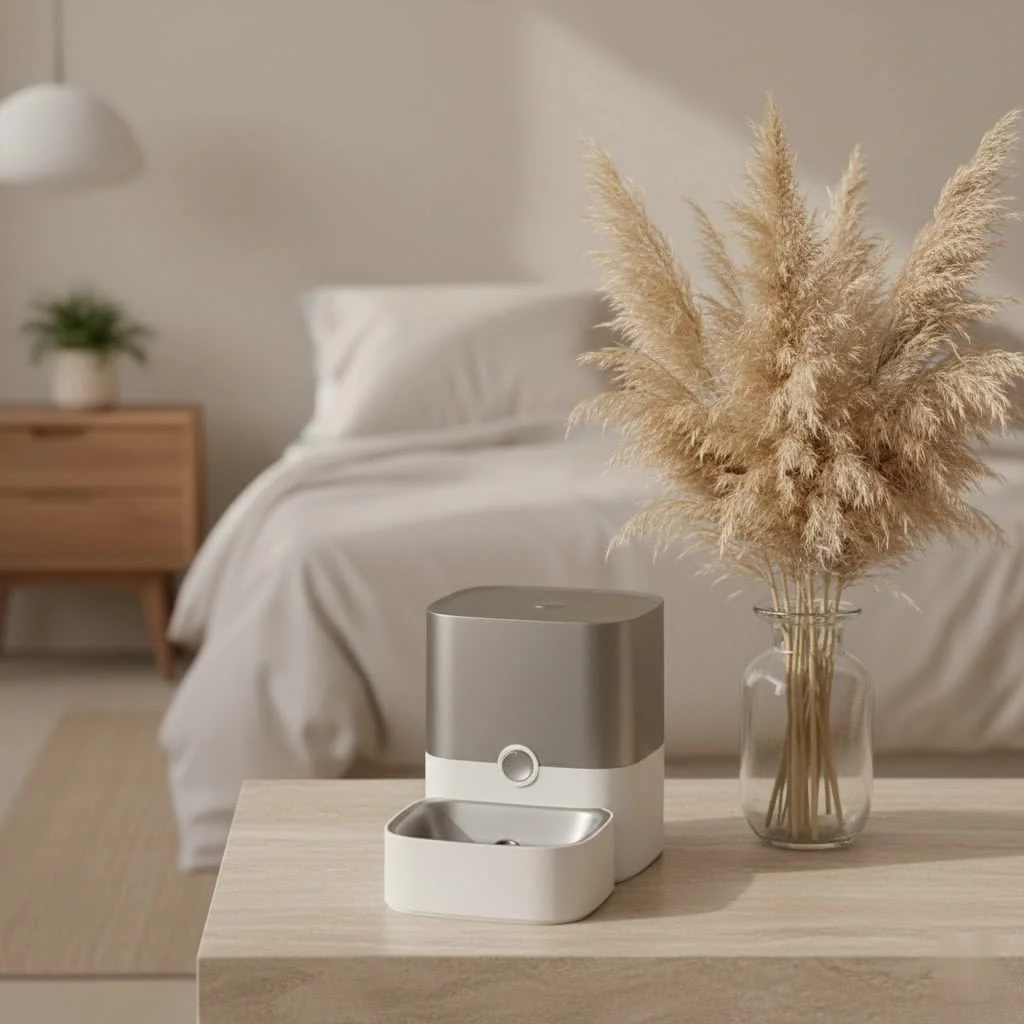
Why Your Pet Needs a Slow Feeder: Beyond Just Slowing Down
It might seem obvious—a pet slow feeder simply slows down eating. But the ripple effects of this controlled pace extend far beyond the dinner bowl, impacting your pet’s physical and mental well-being in profound ways.
The Health Benefits: Protecting Against Common Ailments
The most critical reason to consider a pet slow feeder is to safeguard your pet’s health. Rapid eating isn’t just a bad habit; it’s a risk factor for several serious conditions.
Fast eaters often swallow a significant amount of air along with their food. This excess air can accumulate in the stomach, leading to a painful and potentially life-threatening condition known as bloat, or Gastric Dilatation-Volvulus (GDV), especially in deep-chested dog breeds like German Shepherds, Great Danes, and Dobermans. A slow feeder mitigates this by making your pet take smaller bites, reducing air intake and allowing their digestive system to work more efficiently. This also dramatically cuts down on instances of vomiting and regurgitation, saving you from frequent clean-ups and your pet from discomfort.
Slower eating promotes better digestion and nutrient absorption. When pets eat quickly, their bodies don’t have enough time to signal fullness, often leading to overeating. A pet slow feeder encourages thorough chewing, breaking down food more effectively and allowing their digestive system to process nutrients optimally. For pets prone to obesity, this can be an invaluable tool in weight management, helping them feel fuller on appropriate portion sizes.
The Behavioral Boost: Mental Engagement and Stress Reduction
Beyond the physical, a pet slow feeder offers significant behavioral advantages. Mealtime becomes an enriching activity, not just a frantic dash.
Turning mealtime into a puzzle engages your pet’s mind, providing mental stimulation that can reduce boredom and curb destructive behaviors. Instead of merely consuming food, they’re problem-solving, which taps into their natural foraging instincts. This can be particularly beneficial for energetic dogs or indoor cats who need additional outlets for their intelligence.
For some pets, mealtime can be a source of anxiety, especially if they feel competitive or insecure about food access. A slow feeder can transform this stress into a calmer, more focused activity. By making food less readily available, it encourages a relaxed eating environment, fostering a positive association with mealtime. As Dr. Elara Vance, a renowned veterinary nutritionist, often says, “A meal isn’t just about nutrition; it’s an opportunity for enrichment. A good pet slow feeder provides both.”
Unraveling the Options: Types of Pet Slow Feeders
The market for pet slow feeders has expanded dramatically, offering a diverse range of designs to suit every pet’s needs and preferences. From simple bowls to intricate puzzle toys, understanding the types available is key.
Traditional Slow Feeder Bowls: Ridges, Mazes, and Obstacles
|
Our Picks for the Best Pet Feeder in 2026
As an Amazon Associate I earn from qualifying purchases.
|
||
| Num | Product | Action |
|---|---|---|
| 1 | Automatic Cat Feeder, 4L Cat Food Dispenser with 10s Voice Recorder, Pet Feeder up to 8 Meals per Day, Timed Dog Feeder with Dry Food Sealed Ring (White, 4L-Basic) |

|
| 2 | IMIPAW Automatic Cat Feeders, 3L Timed Cat Dry Food Dispenser with Desiccant Bags, Dual Power Supply, Programmable Portion Size, 6 Meals, 20 Portions Per Day, Auto Pet Feeder for Cats and Small Dogs |
|
| 3 | VOLUAS Automatic Cat Feeders - Timed Pet Feeder for Cats and Dogs with Dry Food Dispenser, Desiccant Bag, Programmable Portion Control, 4 Daily Meals, 10s Voice Recorder |
|
| 4 | Pet Food Maker, Automatic Home Kitchen Appliance for Preparing Fresh Pet Meals |
|
| 5 | oneisall Automatic Cat Feeder for 2 Cats, 20 Cups/5L Automatic Cat Food Dispenser for Small Pets Indoor, Timed Cat Feeder for Dry Food |
|
| 6 | PETLIBRO Automatic Cat Feeder – 3L Programmable Pet Food Dispenser with Airtight Storage, Timed Portion Control, Voice Meal Call & Dual Power Supply, Clog-Free Healthy Feeding for Cats & Small Dogs |
|
| 7 | PETLIBRO Automatic Cat Feeder with Camera, 1080P HD Video with Night Vision, 5G WiFi Pet Feeder with 2-Way Audio, Low Food & Blockage Sensor, Motion & Sound Alerts for Cat & Dog Single Tray |
|
| 8 | PETLIBRO Automatic Cat Feeder, 5G WiFi Automatic Dog Food Dispenser with Freshness Preservation, 5L Timed Pet Feeder with Low Food Sensor, Up to 10 Meals Per Day, Granary Black |
|
| 9 | Amazon Basics Automatic Dog Cat Water Dispenser Gravity Feeder Set, Pack of 2, Small, 6-Pound Food Capacity, 1-Gallon, Gray |
|
| 10 | Sure Petcare -SureFlap - SureFeed - Microchip Pet Feeder - Selective-Automatic Pet Feeder Makes Meal Times Stress-Free, Suitable for Both Wet and Dry Food - MPF001 |
|
These are perhaps the most common type of pet slow feeder. They feature built-in obstacles like raised ridges, spirals, or maze-like patterns that force your pet to eat around them. This simple design effectively slows down gobbling, as pets must navigate the barriers to get to their kibble. They come in various depths and patterns, with some offering more challenge than others. These bowls are often made from food-grade plastic, ceramic, or stainless steel.
Interactive Puzzle Feeders: The Brain Workout
Taking mental stimulation to the next level, interactive puzzle feeders require your pet to manipulate parts of the feeder to release food. Examples include toys that need to be nudged, rolled, or have lids lifted to access kibble. Many feature customizable inserts, such as “broken wave” mats for dry food or lick mats for wet food, allowing you to adjust the difficulty and type of meal. These are excellent for pets who thrive on mental challenges and can significantly extend meal duration.
Lick Mats and Snuffle Mats: For Wet Food Lovers and Foragers
For pets who enjoy wet food, soft treats, or even raw diets, lick mats are a fantastic option. These flat, textured silicone mats feature numerous small nubs and grooves where food can be spread. Your pet then spends time meticulously licking the food out, which is not only calming but also provides sensory enrichment. Snuffle mats, made from fabric strips, mimic natural foraging behavior. You sprinkle kibble deep within the fabric, and your pet “snuffles” around to find it, engaging their nose and brain. Both are particularly good for flat-faced breeds who might struggle with deeper bowls.
Automatic Slow Feeders: The Future of Controlled Portions
While traditional slow feeders focus on slowing down consumption, automatic slow feeders primarily manage portion control and timing. Some advanced models combine both features, dispensing food at scheduled intervals into a slow feeder-style bowl. These are ideal for pet parents with busy schedules or those managing a pet’s weight with precise meal allocations.
Choosing the Perfect Pet Slow Feeder: A Tailored Approach
Selecting the right pet slow feeder isn’t a one-size-fits-all endeavor. It requires careful consideration of your individual pet’s characteristics.
Considering Your Pet’s Unique Needs: Breed, Size, and Muzzle Shape
Your pet’s physical attributes play a significant role. Large, deep-chested dogs prone to bloat will benefit from any effective slow feeder, but ensuring the bowl is stable and appropriately sized is crucial. For flat-faced (brachycephalic) breeds like pugs, bulldogs, or Persian cats, deep, intricate mazes can be frustrating and make food inaccessible, potentially causing whisker fatigue. Shallow designs, wide lanes, or lick mats are often better choices for these companions. Conversely, long-muzzled dogs can handle more complex patterns. Always choose a size that allows your pet to comfortably reach their food without strain.
Material Matters: Safety, Durability, and Hygiene
The material of your pet slow feeder impacts its safety, longevity, and ease of cleaning.
- Plastic: Widely available and affordable, but ensure it’s food-grade, BPA-free, PVC-free, and phthalate-free to avoid chemical leaching. Some plastics can be chewed by determined pets, so check for durability.
- Stainless Steel: Highly hygienic, durable, and rust-resistant. Stainless steel slow feeders are typically very easy to clean and don’t harbor bacteria. However, design variations might be simpler.
- Ceramic: Aesthetically pleasing and easy to clean (when intact), but can chip or break if dropped, posing a safety hazard.
- Silicone/Rubber: Flexible, gentle on teeth and gums, and often non-slip. These are excellent choices for aggressive chewers or pets prone to dental issues. Lick mats are almost exclusively made of silicone.
Difficulty Levels: Finding the Sweet Spot for Engagement
Slow feeders come in a spectrum of difficulty. For a pet new to the concept or one that gets easily frustrated, start with a simpler design—perhaps a bowl with just a few large, rounded obstacles. As your pet adapts and gains confidence, you can gradually introduce more intricate mazes or puzzle feeders that require more manipulation. The goal is to provide a gentle challenge, not an insurmountable barrier to their meal. Observing your pet’s reaction is key; if they appear overly stressed or give up quickly, the feeder might be too difficult.
Food Type Compatibility: Kibble, Wet, or Raw?
Most slow feeder bowls are designed with dry kibble in mind. However, many models with wider grooves or specific designs can accommodate wet or raw food. Lick mats are specifically excellent for wet, pureed, or spreadable foods, encouraging longer meal times with minimal mess. Snuffle mats are best suited for dry kibble or small, dry treats. Always check the product description for compatibility to ensure you’re choosing a pet slow feeder that fits your feeding routine.
Common Pitfalls and How to Avoid Them: My Expert Advice
Even with the right intentions, pet parents can sometimes make mistakes when introducing a pet slow feeder. From my extensive experience at MJ’s Food Club, I can guide you through avoiding these common pitfalls.
- Dealing with Frustration and Refusal: A common issue is a pet becoming frustrated, refusing to eat, or even trying to flip the bowl. This often stems from a feeder that’s too challenging for their current skill level or a pet with underlying food anxiety. Solution: Start simple! Begin with an easy-to-navigate pet slow feeder. You can even initially sprinkle some food around the feeder or on easier sections to build positive association. Use positive reinforcement and praise when your pet engages with it. If frustration persists, consider if a slow feeder is truly the right fit for your pet’s temperament, especially for rescue animals with a history of food insecurity, and consult with a vet or a professional trainer.
- Preventing Tooth and Gum Issues: Aggressive chewers might try to gnaw on hard plastic or ceramic slow feeders, leading to potential tooth damage. Solution: For these strong chewers, opt for a pet slow feeder made from more forgiving materials like durable stainless steel or flexible, robust silicone or rubber. Always supervise initial uses to ensure your pet is eating, not destroying. If you notice any signs of wear or damage to the feeder, replace it immediately.
- The Importance of Proper Cleaning and Maintenance: Intricate designs, while effective for slowing eating, can be a breeding ground for bacteria if not cleaned thoroughly. Solution: Make cleaning your pet slow feeder a part of your daily routine. Many are dishwasher-safe, which simplifies the process. For those that aren’t, use a bottle brush or a small scrubbing brush to get into all the nooks and crannies with hot, soapy water. Rinse thoroughly and allow to air dry completely. Regular, meticulous cleaning prevents bacterial growth and keeps your pet healthy.
- Selecting Safe, High-Quality Materials: Some cheaply made slow feeders can contain harmful chemicals that leach into your pet’s food. Solution: Always choose a pet slow feeder made from high-quality, food-grade materials that are explicitly labeled as BPA-free, PVC-free, and phthalate-free. At MJ’s Food Club, we always emphasize investing in products that prioritize your pet’s safety and longevity. It’s a small investment for peace of mind.
Expert Insights from MJ’s Food Club Founder
“Over the years, I’ve witnessed firsthand the transformative power of a well-chosen pet slow feeder,” shares Michael J. Smith, founder of MJ’s Food Club. “It’s not just about a slower meal; it’s about a healthier gut, a calmer mind, and a happier companion. Many pet parents initially see it as just another gadget, but once they see their pet thrive, managing their weight, avoiding digestive upsets, and even enjoying mealtime more, they become true believers. My top advice? Don’t be afraid to experiment with different types and difficulty levels. What works for one pet might not work for another, and that’s perfectly normal. Patience and observation are your best tools here.”
FAQs: Your Pet Slow Feeder Questions Answered
Q: Can slow feeders be used for both dogs and cats?
A: Absolutely! While many slow feeders are marketed towards dogs, there are excellent pet slow feeder options specifically designed for cats, including whisker-friendly shallow bowls, puzzle feeders, and lick mats that cater to their unique eating habits and preferences.
Q: How do I introduce a slow feeder to my pet?
A: Start by making it easy. For the first few times, sprinkle a small amount of food in the easier sections of the pet slow feeder, or mix a small amount of wet food if using a lick mat. Gradually increase the challenge and the amount of food in the more intricate parts. Positive reinforcement and praise go a long way in building their confidence.
Q: Are slow feeders difficult to clean?
A: Some intricate designs can be more challenging to clean by hand than a standard bowl. However, many modern pet slow feeders are designed to be dishwasher-safe, simplifying maintenance. Always check the manufacturer’s instructions for the best cleaning practices.
Q: What materials are safest for slow feeders?
A: Look for slow feeders made from food-grade stainless steel, ceramic, or high-quality, BPA-free plastic or silicone. These materials are generally considered safe and durable, minimizing health risks.
Q: My pet gets frustrated with the slow feeder. What should I do?
A: Frustration usually means the pet slow feeder is too difficult. Try a simpler design or reduce the amount of food in it initially. If your pet has a history of food anxiety or resource guarding, consult with a veterinarian or a professional animal behaviorist before continuing, as a slow feeder might not be suitable without proper guidance.
Bringing It All Together for Your Furry Friend
A pet slow feeder is a powerful tool in your pet care arsenal, offering a multitude of benefits from preventing serious health issues like bloat and choking, to fostering mental engagement and reducing mealtime anxiety. By understanding the various types, carefully considering your pet’s individual needs, and being mindful of common pitfalls, you can confidently select and utilize a slow feeder to enhance their well-being. At MJ’s Food Club, we believe that informed pet parents lead to happier, healthier pets. So, take the leap, explore the world of the pet slow feeder, and watch your companion thrive with every mindful bite!
Frequently Asked Questions
Can slow feeders be used for both dogs and cats?
Yes, slow feeders are suitable for both dogs and cats. While many are marketed towards dogs, specific options like whisker-friendly shallow bowls, puzzle feeders, and lick mats are designed to cater to cats' unique eating habits and preferences, promoting slower consumption for both species.
How should I introduce a slow feeder to my pet for the first time?
To introduce a slow feeder, start by making it easy for your pet. For the initial uses, sprinkle a small amount of food in the simpler sections of the feeder or mix wet food on a lick mat. Gradually increase the challenge and the amount of food in more intricate parts, using positive reinforcement and praise to build their confidence.
Are pet slow feeders typically difficult to clean and maintain?
Some intricate slow feeder designs can be more challenging to clean by hand compared to a standard bowl. However, many modern pet slow feeders are designed to be dishwasher-safe, simplifying maintenance. Always check the manufacturer's instructions for the best cleaning practices to prevent bacterial growth.
What are the safest materials for pet slow feeders?
The safest materials for pet slow feeders include food-grade stainless steel, ceramic, or high-quality, BPA-free plastic or silicone. These materials are generally considered durable, hygienic, and minimize health risks by preventing chemical leaching into your pet's food.
What should I do if my pet becomes frustrated with their slow feeder?
If your pet becomes frustrated with a slow feeder, it usually indicates the feeder is too difficult. Try a simpler design or reduce the amount of food in it initially. If frustration persists, especially with pets having a history of food anxiety, consult a veterinarian or professional animal behaviorist for guidance.
Smart home that does not lock you in
Free PDF — protocol compatibility matrix for 30 hubs and devices.
I was really worried about my golden retriever’s bloat risk, especially after reading about GDV. This slow feeder has been a game-changer! He used to inhale his food in seconds, and now it takes him a good 10-15 minutes. It’s such a relief knowing he’s eating safer and not gulping down air. Highly recommend for any fast eaters.
My beagle is always looking for something to do, and this feeder really taps into his natural foraging instincts. It’s not just about slowing down his eating; it’s also a great form of mental stimulation. He’s much calmer after meals now and less prone to getting into mischief. Best purchase for his brain and belly!
I got one of these to help with my dog’s weight management, and it does make him eat slower. However, cleaning all the nooks and crannies of the design is a bit of a pain. It definitely works for slowing down his eating, but I wish it was easier to wash thoroughly after each use.
My cat used to throw up after almost every meal, which was super frustrating to clean up. Since getting a slow feeder, the vomiting has practically stopped. It’s amazing how much of a difference just slowing down her eating makes. She seems less anxious at meal times too, which is a bonus I hadn’t expected.