An RFID pet feeder is a smart device that uses Radio Frequency Identification technology to ensure each pet receives their designated food, preventing food theft and managing special diets. These feeders identify individual pets via a collar tag or implanted microchip, opening only for authorized animals. This technology is particularly beneficial in multi-pet households or for pets with specific dietary needs, offering personalized nutrition and reducing mealtime stress.
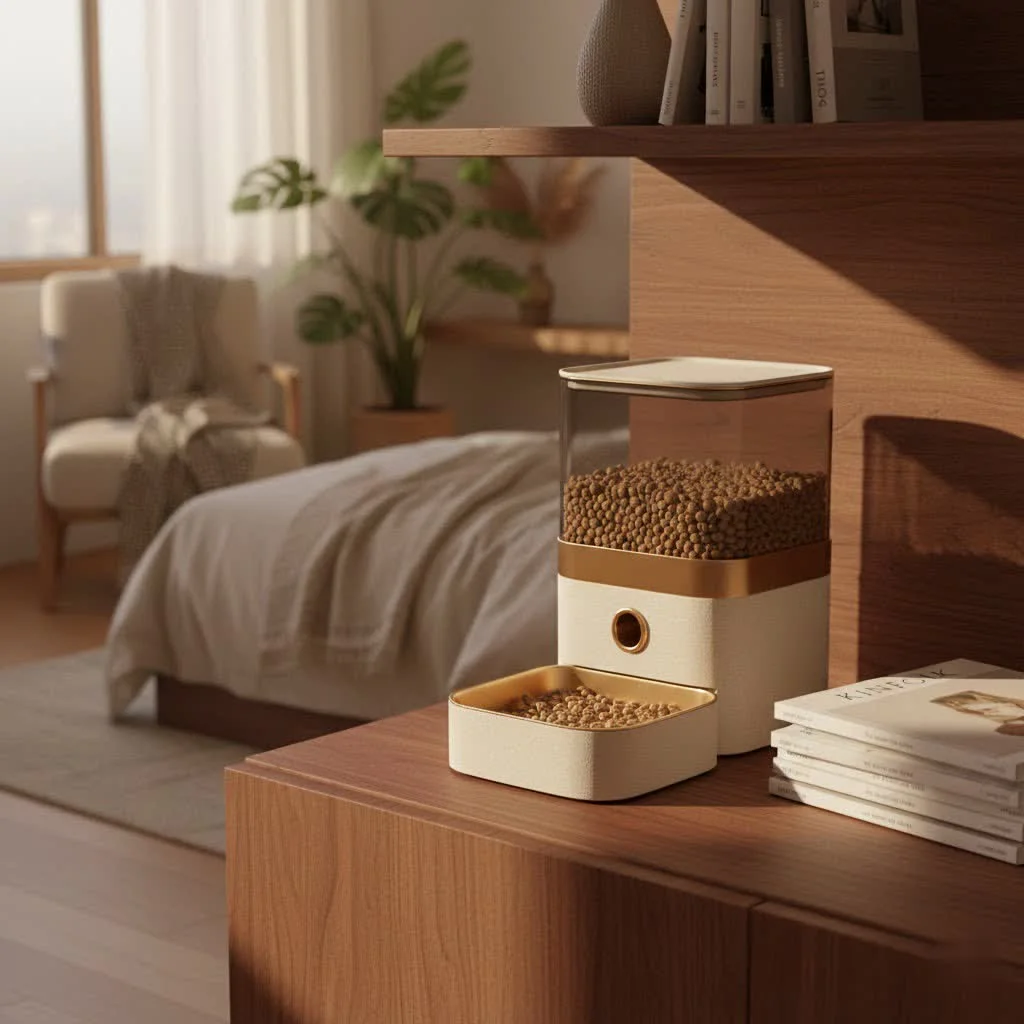 pet feeder with a cat eating from it” style=”margin: 20px auto;width: 800px;max-width: 100%;height: auto” />
At MJ’s Food Club, with over 15 years of experience in pet feeding technology, we confirm that RFID pet feeders provide exceptional control and peace of mind. These innovative devices transform mealtime into a calm, controlled, and stress-free experience for all involved by granting exclusive access to food for recognized pets.
How Do RFID Pet Feeders Work Their Magic?
The core concept behind an RFID pet feeder is both simple and highly effective. RFID, which stands for Radio Frequency Identification, is the technology enabling the feeder to identify your pet. Here’s how it works:
- The Identification Tag: Each pet wears a lightweight RFID tag. This can be a special collar tag included with the feeder or, in many advanced models, the feeder can read your pet’s existing veterinary-implanted microchip. Each tag or microchip contains a unique identification code.
- The Sensor: The feeder itself contains a sensitive RFID reader, a sensor that continuously scans for these unique IDs nearby.
- Access Control: When an authorized pet approaches, the sensor detects their specific ID. If the ID matches a programmed, allowed pet, the feeder’s lid or door automatically opens, granting access to the food. If an unauthorized pet or even a curious human hand approaches, the lid remains securely closed.
This ingenious system ensures that only the designated pet can eat from that specific bowl, providing a truly personalized dining experience for your beloved companions.
Why Consider an RFID Pet Feeder for Your Furry Friend?
The benefits of integrating an RFID pet feeder into your home extend beyond mere convenience. They address numerous common pet feeding challenges, directly contributing to happier, healthier pets and more relaxed pet parents.
Personalized Feeding and Preventing Food Theft
Do you have one pet who eats quickly and another who prefers to graze? Or perhaps one pet constantly raids another’s bowl? RFID feeders are the ultimate solution for these scenarios. By opening only for the designated pet, they ensure each animal has exclusive access to their food, significantly reducing conflict and stress during mealtimes. No more standing guard over food bowls!
Managing Special Diets and Portion Control
|
Our Picks for the Best Pet Feeder in 2026
As an Amazon Associate I earn from qualifying purchases.
|
||
| Num | Product | Action |
|---|---|---|
| 1 | PETLIBRO Automatic Cat Feeder, 5G WiFi Automatic Dog Food Dispenser with Freshness Preservation, 5L Timed Pet Feeder with Low Food Sensor, Up to 10 Meals Per Day, Granary Black |

|
| 2 | PETLIBRO Automatic Cat Feeder – 3L Programmable Pet Food Dispenser with Airtight Storage, Timed Portion Control, Voice Meal Call & Dual Power Supply, Clog-Free Healthy Feeding for Cats & Small Dogs |
|
| 3 | PETLIBRO Automatic Cat Feeder with Camera, 1080P HD Video with Night Vision, 5G WiFi Pet Feeder with 2-Way Audio, Low Food & Blockage Sensor, Motion & Sound Alerts for Cat & Dog Single Tray |
|
| 4 | IMIPAW Automatic Cat Feeders, 3L Timed Cat Dry Food Dispenser with Desiccant Bags, Dual Power Supply, Programmable Portion Size, 6 Meals, 20 Portions Per Day, Auto Pet Feeder for Cats and Small Dogs |
|
| 5 | Automatic Cat Feeder, 4L Cat Food Dispenser with 10s Voice Recorder, Pet Feeder up to 8 Meals per Day, Timed Dog Feeder with Dry Food Sealed Ring (White, 4L-Basic) |
|
| 6 | Amazon Basics Automatic Dog Cat Water Dispenser Gravity Feeder Set, Pack of 2, Small, 6-Pound Food Capacity, 1-Gallon, Gray |
|
| 7 | Pet Food Maker, Automatic Home Kitchen Appliance for Preparing Fresh Pet Meals |
|
| 8 | Sure Petcare -SureFlap - SureFeed - Microchip Pet Feeder - Selective-Automatic Pet Feeder Makes Meal Times Stress-Free, Suitable for Both Wet and Dry Food - MPF001 |
|
| 9 | VOLUAS Automatic Cat Feeders - Timed Pet Feeder for Cats and Dogs with Dry Food Dispenser, Desiccant Bag, Programmable Portion Control, 4 Daily Meals, 10s Voice Recorder |
|
| 10 | oneisall Automatic Cat Feeder for 2 Cats, 20 Cups/5L Automatic Cat Food Dispenser for Small Pets Indoor, Timed Cat Feeder for Dry Food |
|
This is where RFID feeders truly excel for pet health. If one of your pets has allergies, requires specific prescription food, or is on a weight management plan, an RFID feeder becomes an indispensable tool. You can program each feeder (or bowl within a multi-bowl system) to be accessible only to the pet whose diet it’s intended for. This precise portion control is crucial in preventing obesity and managing health conditions, ensuring your pets receive the exact nutrition they need without interference.
Monitoring Eating Habits for Better Health
Many modern RFID pet feeder models integrate with smartphone apps, offering valuable insights into your pet’s eating patterns. These apps can track how often your pet eats, how much they consume, and at what times. This data is incredibly helpful for early detection of appetite changes, which might signal a health issue, and provides concrete information to share with your veterinarian.
Keeping Food Fresh and Preventing Pests
Beyond access control, RFID feeders often come with sealed compartments that keep food fresh for longer, whether it’s dry kibble or wet food. Some models even include desiccant bags to absorb moisture, preventing spoilage and clumping. This also means no more worries about curious insects or other pests accessing your pet’s meals.
Ultimate Convenience for Busy Pet Owners
Life gets hectic. With an RFID pet feeder, you can automate feeding schedules with complete confidence. Whether you’re at work, running errands, or enjoying a short vacation, your pets will receive their meals consistently and on time, without relying on manual feeding. This freedom and flexibility are invaluable for busy pet parents.
As Mark Johnson, founder of MJ’s Food Club, often says, “After 15 years in the pet feeder industry, I’ve seen countless innovations, but RFID pet feeders stand out. They’re not just about automation; they’re about precision, peace of mind, and profoundly improving the dietary health of pets, especially in busy, multi-pet homes. It’s personalized nutrition made smart.”
Choosing the Right RFID Pet Feeder: What to Look For
Selecting the perfect RFID pet feeder involves a few key considerations to ensure it meets your household’s specific needs.
Compatibility: Microchip vs. Collar Tag
- Does it read implanted microchips? Some feeders can directly read your pet’s existing veterinary microchip, which is incredibly convenient.
- Does it require a proprietary collar tag? Other feeders come with their own unique RFID collar tags that your pet must wear. Be sure to check this before purchasing, especially if you prefer not to add another collar.
Capacity and Food Type
- How much food does it hold? Consider the number of pets and their daily consumption. Capacities vary, from smaller bowls for single pets to larger hoppers for multiple days of feeding.
- Dry, Wet, or Both? While most are designed for dry kibble, some advanced RFID feeders are specifically built for wet food, featuring airtight seals or even cooling elements to maintain freshness.
Power Options and Connectivity
- Corded or Battery-Powered? Most feeders offer a primary power adapter with a battery backup (often D-cell batteries) for reliability during power outages.
- Wi-Fi and App Integration: For maximum control and monitoring, look for models with Wi-Fi connectivity and a user-friendly smartphone app. These allow you to set schedules, adjust portions, track feeding logs, and receive alerts remotely.
Design, Durability, and Ease of Cleaning
- Materials: Stainless steel bowls are often preferred for hygiene and durability over plastic.
- Tamper-Resistance: A sturdy design is crucial to prevent smart or strong pets from forcing their way in.
- Cleaning: Look for feeders with easily removable, dishwasher-safe components to simplify maintenance.
Lid Mechanism and “Food Bullying” Prevention
Consider how the lid operates. Some have quiet, soft-closing mechanisms, and some feature side shields or roll-up doors to physically prevent other pets from reaching in, even if they can’t trigger the RFID sensor.
Setting Up and Maintaining Your Smart Feeder
Once you’ve chosen your ideal RFID pet feeder, setting it up is usually a straightforward process.
- Assembly: Most feeders snap together easily without tools.
- Power Up: Connect the feeder to power and install backup batteries if applicable.
- Pairing Tags: Follow the instructions to pair each pet’s RFID tag or microchip with the feeder. This often involves a simple registration process via an app or a button on the feeder itself.
- Programming: Set your feeding schedules, portion sizes, and any other desired settings using the feeder’s interface or companion app.
- Placement: Choose a location that’s convenient for your pet but also away from direct sunlight or extreme temperatures.
- Training: Some pets might be initially hesitant. Encourage them to approach and use the feeder with positive reinforcement, such as treats and praise. They’ll quickly associate the feeder with delicious rewards!
Essential Maintenance Tips:
- Regular Cleaning: Disassemble and wash the food bowl, food tank, and any removable parts regularly, ideally daily for wet food feeders, to prevent bacterial growth and blockages.
- Check the Rotor: For dry food feeders, periodically inspect the rotor mechanism for any food debris or blockages that could prevent dispensing.
- Desiccant Bags: If your feeder uses desiccant bags to keep food fresh, to replace them every two weeks.
- Battery Check: Monitor battery life and replace backup batteries as needed to ensure uninterrupted service.
Troubleshooting Common RFID Pet Feeder Issues
Even the most advanced RFID pet feeder can sometimes encounter minor hiccups. Here are some common issues and how to resolve them:
“My Feeder Isn’t Dispensing Food!”
- Check Food Diameter: Ensure the kibble size is within the feeder’s recommended range (typically 2-15mm for dry food).
- Clear Obstructions: Remove the food tank and inspect the dispensing rotor for any lodged kibble or debris. Clean thoroughly.
- Power Check: Make sure the feeder is properly plugged in and receiving power, and that backup batteries are functional.
“The RFID Tag Isn’t Being Recognized!”
- Proper Placement: Ensure the RFID collar tag is positioned correctly for the feeder’s sensor to read it. Sometimes lowering the tag on the collar helps.
- Interference: Move any metal objects or other electronic devices away from the feeder that might interfere with the RFID signal.
- Re-pairing: Try resetting the feeder and re-pairing the collar tag through the setup process.
- Power Supply: Verify the feeder has stable power.
“My Feeder Won’t Connect to Wi-Fi!”
- Power Cycle: Unplug the feeder, wait a few seconds, then plug it back in.
- Reset: Perform a factory reset on the feeder (check your manual for instructions).
- Router Proximity: Move the feeder closer to your Wi-Fi router.
- Frequency: Ensure your feeder supports your Wi-Fi frequency (most smart devices use 2.4GHz, though some newer ones support 5GHz).
- Hotspot Test: Try connecting to a mobile hotspot from another phone to rule out router issues.
For more detailed troubleshooting, always refer to your specific feeder’s manual or visit the manufacturer’s support website. consistent power and a clear reading area for the RFID tag are key to smooth operation.
Experience the Future of Pet Care with RFID Pet Feeders
From personalized diets and portion control to preventing mealtime squabbles and monitoring eating habits, the RFID pet feeder is more than just a gadget; it’s an investment in your pet’s health and your own peace of mind. By embracing this smart technology, you’re not only simplifying your daily routine but also providing a tailored, stress-free feeding experience that supports the well-being of every cherished member of your family.
Ready to improve your pet’s mealtime? Explore the various RFID pet feeder options available and discover how this smart solution can make a profound difference in your home. Your pets (and your sanity) will thank you!
Frequently Asked Questions
What is an RFID pet feeder and how does it work?
An RFID pet feeder is a device that uses Radio Frequency Identification technology to identify individual pets. It works by scanning an RFID tag on a pet's collar or an implanted microchip, then granting exclusive access to food only for authorized animals. This prevents other pets from eating the designated food, ensuring personalized nutrition.
Can RFID pet feeders help with pet weight management?
Yes, RFID pet feeders are highly effective for weight management. They allow for precise portion control, ensuring that pets on a diet receive only their allotted amount of food and cannot access other pets' meals. Many models also integrate with apps to track consumption, aiding in monitoring progress.
Are RFID pet feeders compatible with existing pet microchips?
Many advanced RFID pet feeder models are designed to read a pet's existing veterinary-implanted microchip, offering great convenience. However, some feeders require pets to wear a proprietary RFID collar tag. It is essential to check the product specifications for compatibility before purchasing.
How do RFID pet feeders prevent food theft in multi-pet homes?
RFID pet feeders prevent food theft by only opening for the pet whose unique RFID tag or microchip is recognized by the feeder's sensor. If an unauthorized pet approaches, the lid remains securely closed, ensuring that each pet has exclusive access to their own food bowl and preventing other animals from eating it.
What are the main benefits of using an RFID pet feeder?
The main benefits of using an RFID pet feeder include personalized feeding, prevention of food theft, precise portion control for special diets, and monitoring of eating habits. They also help keep food fresh, deter pests, and offer significant convenience for busy pet owners by automating feeding schedules.
Set Up Your RFID Pet Feeder
Setting up your new RFID pet feeder is a straightforward process that ensures your pets receive personalized meals efficiently.
Most RFID feeders are designed for easy, tool-free assembly. Once assembled, connect the feeder to a power source and install any backup batteries, such as D-cell batteries, to ensure continuous operation during power outages.
Follow the manufacturer's instructions to pair each pet's RFID collar tag or existing microchip with the feeder. This typically involves a simple registration process, often done through a companion smartphone app or a dedicated button on the feeder itself.
Utilize the feeder's interface or smartphone app to program specific feeding schedules and portion sizes for each authorized pet. This allows for tailored nutrition plans and helps manage dietary needs effectively.
Choose a suitable location for the feeder, away from direct sunlight or extreme temperatures. Introduce your pet to the feeder using positive reinforcement, such as treats and praise, to help them quickly associate the device with mealtime rewards.
Smart home that does not lock you in
Free PDF — protocol compatibility matrix for 30 hubs and devices.

As someone with over 15 years of experience in pet feeding technology, I can confirm that these RFID feeders are a godsend for multi-pet households. We used to have so much trouble managing different diets, but now it’s completely stress-free. The peace of mind knowing each pet gets exactly what they need is invaluable.
I was so tired of my cat, Mittens, stealing food from my other cat, Luna, who needs a special diet. This RFID feeder has been a game-changer! Luna gets her prescribed food without Mittens hogging it all, and I don’t have to stand guard during meal times anymore. It’s truly reduced our mealtime stress.
We have three dogs, and one of them is a very slow eater, which meant the others would always finish his food. The personalized nutrition aspect of these feeders is fantastic. Each dog now has their own station, and the feeder only opens for them. It’s made a huge difference in ensuring everyone gets enough to eat.
The concept of preventing food theft with the collar tag is great, and it mostly works. My only complaint is that sometimes the feeder is a bit slow to recognize the tag, so my dog has to nudge it a couple of times. It’s not a deal-breaker, but it can be a little annoying when he’s really hungry.