A pet-safe automatic feeder ensures your furry friend’s well-being by providing consistent meals using food-grade, BPA-free materials, robust anti-tampering designs, and reliable battery backup systems. These feeders prevent common issues like food spoilage, accidental overeating, and unauthorized access to food, offering pet parents peace of mind and effective pet care.
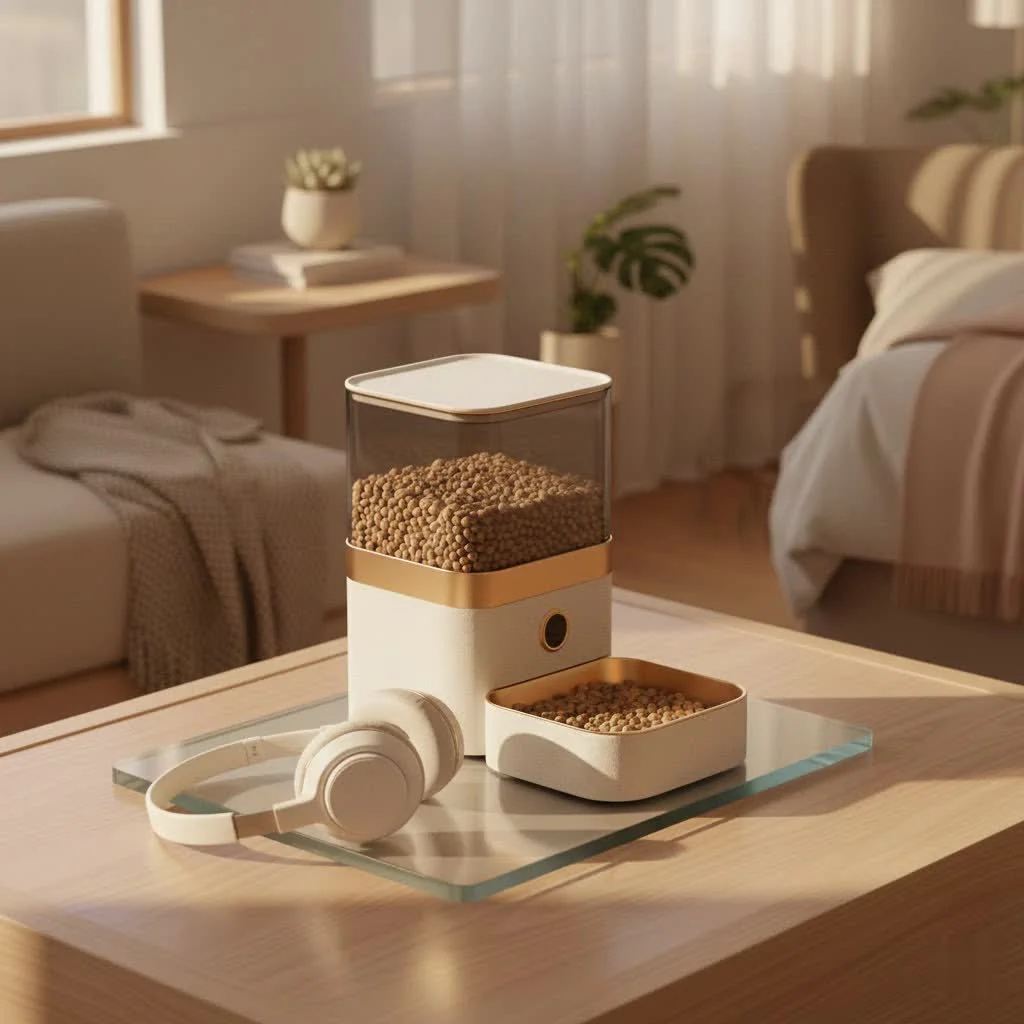
Why Pet-Safe Automatic Feeders Matter: Beyond Just Convenience
Automatic feeders are invaluable for maintaining consistent feeding schedules, managing portions for pets on a diet, and preventing early morning wake-up calls. However, safety is paramount. A truly pet-safe automatic feeder is designed to prevent common mishaps such as food spoilage, accidental overeating, and determined attempts by clever pets to access the food supply. It empowers you to care for your pet confidently and effectively. For browse all reviews articles on this site.
Key Pillars of a Truly Pet Safe Automatic Feeder
When evaluating a feeder, core safety elements are non-negotiable, extending beyond mere features.
Material Matters: What Your Pet’s Food Touches
Your pet’s food often sits in the device for days, making material choice critical.
- BPA-Free Plastics: Bisphenol A (BPA) is a chemical that can leach into food. Always opt for feeders clearly labeled BPA-free to avoid potential health concerns.
- Food-Grade ABS Plastic: This durable plastic, commonly used in kitchenware, ensures no harmful chemicals contaminate your pet’s meals.
- Stainless Steel Bowls: These are excellent for hygiene. Stainless steel is non-porous, highly durable, and does not harbor bacteria, making it safer and easier to clean than many plastic alternatives.
“Using food-grade materials isn’t just a marketing buzzword; it’s a fundamental commitment to your pet’s health,” says Dr. Elara Vance, veterinary nutritionist and long-time collaborator with MJ’s Food Club. “It’s about preventing unseen hazards that can affect their long-term well-being.”
Design for Durability & Clever Paws
Pets can be surprisingly ingenious when food is involved, so a safe feeder anticipates this.
- Anti-Tipping Base: A sturdy, wide base prevents eager pets, especially larger dogs or playful cats, from knocking over the feeder, avoiding spills and potential injury.
- Secure, Twist-Lock Lids: These are essential. Simple snap-on lids can be easily pried open by determined pets. A twist-lock mechanism or a lid requiring specific human action keeps food secure.
- Anti-Tampering Chutes & Mechanisms: Some clever pets learn to stick their paws up the dispensing chute or shake the feeder for extra kibble. Look for designs that make this difficult, such as narrow chutes or mechanisms that only release food when electronically triggered.
- Chew-Proof Cords: If your feeder uses a power cord, ensure it is well-protected or made from durable, chew-resistant material. Models with internal cord routing or a cord conduit are preferable.
- Smooth Edges: Inspect the feeder for any sharp edges or rough spots that could injure your pet during mealtime or play.
Reliability in Action: Power & Dispensing
|
Our Picks for the Best Pet Feeder in 2026
As an Amazon Associate I earn from qualifying purchases.
|
||
| Num | Product | Action |
|---|---|---|
| 1 | Automatic Cat Feeder, 4L Cat Food Dispenser with 10s Voice Recorder, Pet Feeder up to 8 Meals per Day, Timed Dog Feeder with Dry Food Sealed Ring (White, 4L-Basic) |

|
| 2 | PETLIBRO Automatic Cat Feeder, 5G WiFi Automatic Dog Food Dispenser with Freshness Preservation, 5L Timed Pet Feeder with Low Food Sensor, Up to 10 Meals Per Day, Granary Black |
|
| 3 | Amazon Basics Automatic Dog Cat Water Dispenser Gravity Feeder Set, Pack of 2, Small, 6-Pound Food Capacity, 1-Gallon, Gray |
|
| 4 | PETLIBRO Automatic Cat Feeder – 3L Programmable Pet Food Dispenser with Airtight Storage, Timed Portion Control, Voice Meal Call & Dual Power Supply, Clog-Free Healthy Feeding for Cats & Small Dogs |
|
| 5 | Sure Petcare -SureFlap - SureFeed - Microchip Pet Feeder - Selective-Automatic Pet Feeder Makes Meal Times Stress-Free, Suitable for Both Wet and Dry Food - MPF001 |
|
| 6 | IMIPAW Automatic Cat Feeders, 3L Timed Cat Dry Food Dispenser with Desiccant Bags, Dual Power Supply, Programmable Portion Size, 6 Meals, 20 Portions Per Day, Auto Pet Feeder for Cats and Small Dogs |
|
| 7 | PETLIBRO Automatic Cat Feeder with Camera, 1080P HD Video with Night Vision, 5G WiFi Pet Feeder with 2-Way Audio, Low Food & Blockage Sensor, Motion & Sound Alerts for Cat & Dog Single Tray |
|
| 8 | VOLUAS Automatic Cat Feeders - Timed Pet Feeder for Cats and Dogs with Dry Food Dispenser, Desiccant Bag, Programmable Portion Control, 4 Daily Meals, 10s Voice Recorder |
|
| 9 | oneisall Automatic Cat Feeder for 2 Cats, 20 Cups/5L Automatic Cat Food Dispenser for Small Pets Indoor, Timed Cat Feeder for Dry Food |
|
| 10 | Pet Food Maker, Automatic Home Kitchen Appliance for Preparing Fresh Pet Meals |
|
An automatic feeder must reliably dispense food.
- Battery Backup: This is a non-negotiable feature. Power outages happen, and a battery backup ensures your pet’s meals are still dispensed on schedule, preventing missed feedings and unnecessary stress. Most modern feeders use an AC adapter as the primary power source but include a battery slot for emergencies.
- Anti-Jamming Technology: Food jams are a common frustration. A feeder with a reliable motor and a well-designed food dispensing mechanism helps prevent kibble from getting stuck, ensuring every meal is delivered as planned.
- Food Sensors: Some advanced feeders include sensors that alert you when food levels are low or when the bowl is full, preventing overfilling or ensuring your pet never runs out.
Keeping It Fresh and Clean: Essential for Pet Health
Food freshness and hygiene are paramount for your pet’s health, preventing spoiled kibble or bacterial growth.
- Airtight Seals and Desiccant Pouches: Look for feeders with good seals around the food hopper to keep air and moisture out. Many also include a compartment for a desiccant bag, which absorbs moisture and keeps dry food fresh for longer, preventing mold and bacteria growth.
- Easy to Clean Design: This is crucial. Feeders should have removable components, especially the food storage container and the feeding bowl, that are easy to wash. Dishwasher-safe parts are a significant bonus, simplifying regular cleaning and ensuring a truly hygienic feeding environment.
- Regular Maintenance: Even the best feeders need cleaning. Make it a habit to wash the food tray and storage container weekly, and inspect the feeder for any wear and tear.
Choosing the Right Pet Safe Automatic Feeder for Your Furry Friend
Selecting the right feeder involves matching it to your pet’s unique needs and your lifestyle.
- Consider Your Pet’s Size and Breed: A large dog requires a feeder with greater capacity and a more robust design than a small cat. Some feeders offer “slow feed” options, dispensing food over 15 minutes, which is excellent for pets who eat too quickly.
- Food Type: Most automatic feeders are designed for dry kibble. If your pet eats semi-moist or wet food, you will need a specialized feeder, often with refrigeration or rotating compartments to keep food fresh for shorter periods.
- Pet’s “Locksmith” Tendencies: If you have a clever, food-motivated pet (e.g., Siamese cats, Bengals, or determined terriers), prioritize feeders with advanced anti-tampering features.
- Basic Timed vs. Smart Feeders:
- Basic Timed Feeders: These are often simpler, battery-operated, and allow you to set meal times and portions via a digital screen. They are reliable and affordable.
- Smart Feeders: Wi-Fi enabled, these connect to a smartphone app, offering remote control, monitoring (sometimes with cameras and two-way audio), and even food reordering. While incredibly convenient, ensure the app is secure and reliable.
- Portion Control is Key: Precise portion control is a major advantage of automatic feeders, vital for pets prone to obesity or those on specific dietary plans. Look for feeders that allow customization of portion sizes in small increments.
Common Pitfalls and How to Avoid Them with Your Automatic Feeder
Even with a top-tier feeder, user error can lead to issues. Here are common mistakes and how to sidestep them:
- Food Jams: Often caused by using kibble that is too large for the dispenser or by moist food. Always use the recommended kibble size and type for your specific feeder.
- Glitches and Power Cuts: Do not just set it and forget it! Test your feeder regularly while you are home. If it has a battery backup, ensure batteries are fresh, especially before you leave for an extended period.
- Pet Doesn’t Trust It: Introduce the feeder slowly. Start by placing their regular bowl next to it, then gradually transition their food into the new feeder. Let them sniff and explore it before it starts dispensing automatically.
- Skipping Cleaning: As discussed, hygiene is paramount. Neglecting to clean the feeder regularly can lead to bacterial growth and health issues for your pet.
Expert Insights from MJ’s Food Club
At MJ’s Food Club, our mission is to make pet care simpler and safer. My long career has shown me that the best technology integrates seamlessly and reliably into our lives, prioritizing our pets’ well-being.
“The true magic of a pet safe automatic feeder isn’t just in the technology; it’s in the trust it builds,” I often tell my team. “Trust that your pet is fed, trust that their food is fresh, and trust that the device itself is a reliable guardian of their health. When you choose wisely and maintain diligently, an automatic feeder becomes an invaluable extension of your care.”
FAQs: Your Top Questions About Pet Safe Automatic Feeders
Q: Are all automatic pet feeders truly safe for my pet?
A: No, not all feeders are created equal. It is crucial to look for features like food-grade, BPA-free materials, secure anti-tampering designs, and reliable dispensing mechanisms to ensure genuine safety.
Q: Can my pet get extra food by shaking or hitting the feeder?
A: Some poorly designed feeders might allow this. Look for feeders with robust, heavy bases and anti-tampering designs specifically engineered to prevent pets from prying open lids or extracting extra kibble from the chute.
Q: What happens if the power goes out? Will my pet miss a meal?
A: A truly pet-safe automatic feeder should always have a battery backup system. This ensures that even during a power outage, your pet’s programmed meals will be dispensed without interruption.
Q: How often should I clean my automatic pet feeder?
A: For optimal hygiene, you should clean the food bowl and removable food storage components weekly. Regular cleaning prevents food residue buildup and bacterial growth.
Q: Can I use wet food in an automatic pet feeder?
A: Most standard automatic feeders are designed for dry or semi-moist kibble. If you intend to feed wet food, you must purchase a specialized wet food feeder, which often includes features like refrigeration or sealed, rotating compartments to maintain freshness.
Final Thoughts on Pet Safe Automatic Feeders
Choosing a pet safe automatic feeder is an investment in your pet’s health and your peace of mind. By prioritizing features like safe materials, robust anti-tampering designs, reliable power backup, and easy-to-clean components, you are not just buying a gadget; you are adopting a trustworthy tool that helps you provide consistent, healthy care. Here at MJ’s Food Club, we believe every pet deserves the best. Make an informed choice, follow our maintenance tips, and enjoy the harmonious balance of convenience and care. For more in-depth guides and personalized advice, remember to visit mjsfc.com!
Frequently Asked Questions
Are all automatic pet feeders truly safe for my pet?
No, not all feeders are created equal. It is crucial to look for features like food-grade, BPA-free materials, secure anti-tampering designs, and reliable dispensing mechanisms to ensure genuine safety for your pet.
Can my pet get extra food by shaking or hitting the feeder?
Some poorly designed feeders might allow this. To prevent this, look for feeders with robust, heavy bases and anti-tampering designs specifically engineered to prevent pets from prying open lids or extracting extra kibble from the chute.
What happens if the power goes out? Will my pet miss a meal?
A truly pet-safe automatic feeder should always have a battery backup system. This ensures that even during a power outage, your pet's programmed meals will be dispensed without interruption, preventing missed feedings.
How often should I clean my automatic pet feeder?
For optimal hygiene, you should clean the food bowl and removable food storage components weekly. Regular cleaning prevents food residue buildup and bacterial growth, which can impact your pet's health.
Can I use wet food in an automatic pet feeder?
Most standard automatic feeders are designed for dry or semi-moist kibble. If you intend to feed wet food, you must purchase a specialized wet food feeder, which often includes features like refrigeration or sealed, rotating compartments to maintain freshness for up to 24 hours.
Smart home that does not lock you in
Free PDF — protocol compatibility matrix for 30 hubs and devices.

I appreciate that it uses BPA-free materials, which was a big selling point for me. However, I’ve noticed the portion control isn’t always perfectly accurate, sometimes dispensing a little more than I set. It’s not a huge deal, but for a pet on a strict diet, it could be an issue.
My vet recommended an automatic feeder to help manage my dog’s weight, as he was prone to overeating. This one has been fantastic! It’s super easy to program and I haven’t had any issues with food spoilage, even in the humid summer months. Definitely recommend for anyone needing better portion control.
This feeder has been great for keeping my dog on a consistent feeding schedule. I travel a lot for work, and knowing he’s getting his meals on time, even when I’m not home, is a huge relief. The battery backup system is a must-have feature, especially with our frequent power outages.
I was really worried about my cat getting into the food supply, as she’s a master at opening cabinets. This feeder’s anti-tampering design is a lifesaver! It’s been a few weeks now and she hasn’t managed to get a single extra kibble. The peace of mind alone is worth it.