Are you constantly battling a perpetually empty pet food bowl, or perhaps a demanding feline who believes their bowl should never show its bottom? If so, the humble Gravity Pet Feeder might just be the low-tech, high-impact solution you’ve been searching for. As an expert from MJ’s Food Club with over 15 years immersed in pet feeding technology, I can tell you that while smart feeders grab headlines, the reliability and simplicity of a gravity pet feeder are truly unparalleled for maintaining a consistent food supply. It’s a foundational piece of pet care equipment that every pet parent should understand.
How Does a Gravity Pet Feeder Work Its Magic?
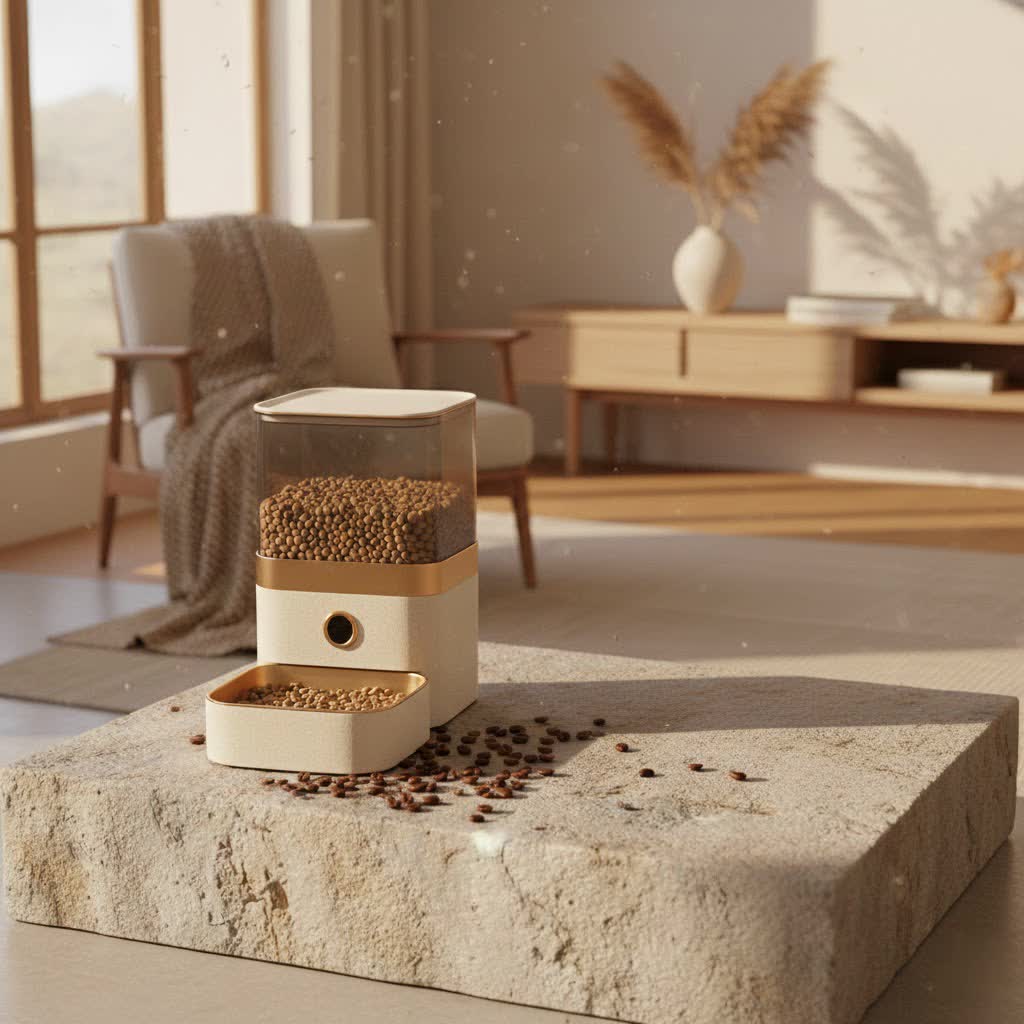
At its core, a gravity pet feeder operates on a wonderfully simple principle: gravity. Imagine a large storage container for kibble, connected to a small feeding bowl at the bottom. As your pet eats the food from the bowl, the space created allows more food to automatically fall from the storage reservoir into the bowl, refilling it without any electronic parts or programming. It’s a continuous, on-demand buffet, always ready to serve. This mechanical design means there are no batteries to change, no Wi-Fi to connect, and no apps to update – just pure, reliable food delivery, powered by science and your pet’s appetite.
The Unsung Benefits of Choosing a Gravity Pet Feeder
The advantages of incorporating a gravity pet feeder into your pet care routine are numerous, especially for busy individuals or multi-pet households.
- Unrivaled Convenience: This is the big one. With a gravity feeder, you fill the reservoir, and it handles the rest for days, sometimes even weeks, depending on its capacity and your pet’s eating habits. This frees up your time and reduces the mental load of remembering daily feedings.
- Consistent Food Supply: Your pet will always have access to food. This can reduce anxiety in some animals who worry about when their next meal is coming, promoting a calmer eating environment.
- Affordability: Compared to their high-tech automatic counterparts, gravity pet feeders are significantly more budget-friendly both in initial cost and long-term maintenance, as there are no ongoing power costs or replacement parts for electronics.
- Travel-Friendly: Planning a weekend getaway? A large-capacity gravity pet feeder can provide peace of mind, ensuring your furry friend has food while you’re away, without needing a pet sitter for every meal.
- Durability and Simplicity: With fewer moving parts, these feeders are less prone to breakdowns. They are often made from sturdy materials designed to withstand enthusiastic pets.
|
Our Picks for the Best Pet Feeder in 2026
As an Amazon Associate I earn from qualifying purchases.
|
||
| Num | Product | Action |
|---|---|---|
| 1 | PETLIBRO Automatic Cat Feeder – 3L Programmable Pet Food Dispenser with Airtight Storage, Timed Portion Control, Voice Meal Call & Dual Power Supply, Clog-Free Healthy Feeding for Cats & Small Dogs |

|
| 2 | Sure Petcare -SureFlap - SureFeed - Microchip Pet Feeder - Selective-Automatic Pet Feeder Makes Meal Times Stress-Free, Suitable for Both Wet and Dry Food - MPF001 |
|
| 3 | PETLIBRO Automatic Cat Feeder with Camera, 1080P HD Video with Night Vision, 5G WiFi Pet Feeder with 2-Way Audio, Low Food & Blockage Sensor, Motion & Sound Alerts for Cat & Dog Single Tray |
|
| 4 | PETLIBRO Automatic Cat Feeder, 5G WiFi Automatic Dog Food Dispenser with Freshness Preservation, 5L Timed Pet Feeder with Low Food Sensor, Up to 10 Meals Per Day, Granary Black |
|
| 5 | IMIPAW Automatic Cat Feeders, 3L Timed Cat Dry Food Dispenser with Desiccant Bags, Dual Power Supply, Programmable Portion Size, 6 Meals, 20 Portions Per Day, Auto Pet Feeder for Cats and Small Dogs |
|
| 6 | Pet Food Maker, Automatic Home Kitchen Appliance for Preparing Fresh Pet Meals |
|
| 7 | Amazon Basics Automatic Dog Cat Water Dispenser Gravity Feeder Set, Pack of 2, Small, 6-Pound Food Capacity, 1-Gallon, Gray |
|
| 8 | Automatic Cat Feeder, 4L Cat Food Dispenser with 10s Voice Recorder, Pet Feeder up to 8 Meals per Day, Timed Dog Feeder with Dry Food Sealed Ring (White, 4L-Basic) |
|
| 9 | VOLUAS Automatic Cat Feeders - Timed Pet Feeder for Cats and Dogs with Dry Food Dispenser, Desiccant Bag, Programmable Portion Control, 4 Daily Meals, 10s Voice Recorder |
|
| 10 | oneisall Automatic Cat Feeder for 2 Cats, 20 Cups/5L Automatic Cat Food Dispenser for Small Pets Indoor, Timed Cat Feeder for Dry Food |
|
Navigating the World of Gravity Pet Feeder Types
While the basic principle is the same, gravity pet feeders come in a variety of styles and materials, each with its own advantages.
Material Matters: Plastic, Stainless Steel, and Ceramic
- Plastic Feeders: These are the most common and often the most affordable. They are lightweight, durable, and come in many sizes and colors. However, some pets can be sensitive to plastic, and it can scratch over time, potentially harboring bacteria.
- Stainless Steel Feeders: A fantastic option for hygiene and durability. Stainless steel is naturally anti-bacterial, easy to clean, and extremely robust. They tend to be a bit heavier and often a higher price point, but they are an excellent long-term investment.
- Ceramic Feeders: Offering a more aesthetic appeal, ceramic feeders are heavy, stable, and can be quite stylish. They are also easy to clean and generally safe for pets. The main drawback is their fragility; they can break if dropped.
Size and Design: Matching the Feeder to Your Furball
Gravity pet feeders range from small units perfect for a single cat or toy dog to massive reservoirs capable of feeding a large breed dog for days. Consider:
- Capacity: How much food do you want it to hold? This depends on your pet’s size, appetite, and how often you want to refill it.
- Footprint: Does it fit comfortably in your designated feeding area without being a tripping hazard?
- Bowl Design: Some feeders have wider, shallower bowls, which can be better for flat-faced breeds or cats to prevent whisker fatigue.
Choosing the Right Gravity Pet Feeder for Your Companion
Selecting the perfect gravity pet feeder isn’t just about grabbing the first one you see. It involves a bit of thought about your pet’s specific needs and your lifestyle.
Questions to Ask Yourself When Shopping
- What type and size of pet do you have? A large dog will need a feeder with a much larger capacity and a sturdier build than a small cat.
- What kind of food does your pet eat? While designed for dry kibble, ensure the chute is wide enough for your specific kibble size to prevent clogging.
- How important is hygiene to you? Easy-to-clean materials like stainless steel or ceramic might be preferable.
- Do you have any pets that might try to “game” the system? Some clever pets might try to paw at the dispenser to get more food out. Look for designs that are more resistant to this.
- What is your budget? While generally affordable, prices still vary.
“As Dr. Elara Vance, a distinguished veterinarian and animal behaviorist, often emphasizes, ‘A thoughtfully chosen gravity feeder can provide a sense of security for pets by ensuring consistent access to food, which is crucial for their overall psychological well-being.'”
Setting Up and Maintaining Your Gravity Pet Feeder
Once you’ve chosen your ideal gravity pet feeder, setting it up and keeping it clean is straightforward.
Getting Started: Easy Assembly
- Unpack and Wash: Before its first use, thoroughly wash all parts of the gravity pet feeder with warm, soapy water. Rinse well and allow to dry completely to prevent any manufacturing residues from contaminating your pet’s food.
- Assemble: Most gravity feeders simply involve attaching the food reservoir to the base and bowl. Ensure all connections are secure.
- Find the Perfect Spot: Place the feeder on a level surface in a quiet, easily accessible area where your pet feels safe eating. Avoid high-traffic zones or direct sunlight, which can spoil food faster.
- Fill the Reservoir: Pour your pet’s dry kibble into the top of the reservoir. The food will automatically flow down into the bowl.
Keeping It Pristine: Maintenance Tips
Regular cleaning is vital to prevent bacterial growth and keep your pet’s food fresh.
- Daily Bowl Check: Glance at the food bowl daily to ensure it’s clean and free of debris.
- Weekly Wash: Aim to completely disassemble and wash your gravity pet feeder at least once a week, especially the bowl and the lower parts of the chute where food resides. Use pet-safe dish soap.
- Monthly Deep Clean: Every month, give the entire unit a thorough deep clean. Consider using a bottle brush for hard-to-reach areas in the reservoir. Ensure all parts are completely dry before refilling.
- Inspect for Wear: Periodically check for any cracks, especially in plastic models, which can harbor bacteria.
Tackling Common Gravity Pet Feeder Hiccups
Even with a simple device, you might encounter a few minor issues. Here’s how to troubleshoot them like a pro.
- Food Clogging: This is the most frequent issue.
- Solution: Ensure the kibble size is appropriate for the feeder’s chute. If it’s too large, it can get stuck. Gently shake the feeder or use a clean utensil to dislodge the food. Regular cleaning also helps prevent sticky residues from causing clogs.
- Food Not Flowing: Similar to clogging, sometimes the food just seems stuck.
- Solution: Check the level of food in the reservoir. If it’s very low, the pressure might not be enough to push the last bits down. Refill the reservoir. Also, ensure the feeder is on a perfectly flat surface; any tilt can disrupt the flow.
- Food Spoilage/Pests: While less common with dry food, it can happen.
- Solution: Always store the feeder in a cool, dry place away from direct sunlight. Consider an airtight lid for the reservoir if your model has one, or store the bulk of the food in its original sealed bag. Regularly cleaning the feeder also deters pests.
Gravity Pet Feeder vs. Automatic Feeder: Which One’s for You?
While this article focuses on the virtues of the gravity pet feeder, it’s worth a quick comparison to its more technologically advanced cousin, the automatic feeder.
- Gravity Pet Feeder: Best for pets who free-feed and regulate their own intake, or for ensuring a constant food supply for multiple pets. It’s simple, reliable, and requires no power.
- Automatic Feeder: Ideal for portion control, pets on a diet, or those with specific mealtime schedules. They often include timers, portion dispensers, and sometimes even Wi-Fi connectivity and cameras. They require power and more setup.
If your primary goal is to ensure your pet always has food available, and you don’t need strict portion control for every single meal, then the robust and dependable gravity pet feeder is likely your best bet.
Frequently Asked Questions About Gravity Pet Feeders
Q: Are gravity pet feeders suitable for all pets?
A: Gravity pet feeders are generally great for pets who free-feed and can self-regulate their food intake. They are less suitable for pets on strict diets or those who tend to overeat, as they provide constant access to food. For such pets, an automatic, portion-controlled feeder might be a better option.
Q: Do gravity feeders help with portion control?
A: No, gravity feeders do not offer portion control. They continuously refill the bowl as food is consumed, meaning your pet has unrestricted access to food. If portion control is critical for your pet’s health, you would need to manually limit the amount of food you put into the reservoir, or opt for an automatic feeder.
Q: How often should I clean a gravity pet feeder?
A: You should wipe down the food bowl daily and perform a thorough wash of the entire unit at least once a week. For a deeper clean, especially of the reservoir and chute, aim for a monthly wash. This prevents food residue buildup and bacterial growth, keeping your pet’s food fresh and safe.
Q: Can wet food be used in a gravity pet feeder?
A: No, gravity pet feeders are specifically designed for dry kibble. Wet food would quickly spoil, clog the dispensing mechanism, and create a breeding ground for bacteria. For wet food, manual feeding or specialized refrigerated automatic feeders are required.
Q: Do gravity feeders keep food fresh?
A: Gravity feeders keep dry food relatively fresh for several days to a week, especially if the reservoir has a good lid. However, for optimal freshness, especially in humid climates, it’s best to store the bulk of your pet’s food in an airtight container and only fill the feeder with a few days’ supply at a time.
Q: What are the potential downsides of using a gravity pet feeder?
A: The main downside is the lack of portion control, which can lead to overeating and weight gain in some pets. They also cannot be programmed for specific meal times, and some pets might occasionally try to dislodge more food than needed by nudging the feeder.
Embrace the Simplicity and Reliability
In a world brimming with complex gadgets, the gravity pet feeder stands as a testament to the power of simplicity. It offers an incredibly reliable, convenient, and cost-effective way to ensure your beloved pet always has access to the nourishment they need. By understanding its mechanics, choosing the right type, and committing to simple maintenance, you can provide a stress-free feeding solution for both you and your furry companion. So, take the plunge, embrace the easy life, and watch your pet enjoy a consistently full bowl, all thanks to the marvel of the gravity pet feeder. Share your experiences with us at MJ’s Food Club – we love hearing how these trusty devices transform pet care!
